

Elderly people face all of the same scams as everyone else, but some scams disproportionately affect the older generations.
Many of these fall under the umbrella of elder fraud – the misappropriation or abuse of financial control in a relationship where there is an expectation of trust, resulting in harm to an elderly victim.
Elder fraud is vastly underreported, according to a study by Comparitech. The study estimates 5 million cases of elder fraud occur in the US alone each year, resulting in $27.4 billion in losses. This means that 38 percent of fraud cases target the elderly.
But what makes older people susceptible to fraud? What sorts of scams target the elderly, and what can seniors do to avoid these scams?
A number of factors contribute to elderly people’s susceptibility to certain types of fraud, including:
Social Isolation
Many seniors don’t have close friends or family they can talk to about day-to-day life. This can make them more willing to continue a conversation with a potential scammer. They might not have anyone to run things by to get a second opinion. And if they fall victim to a scam, they are less likely to tell anyone about it.
Good Credit and Lots of Money
Older people have six times as much cash as younger people on average and often have strong, well-established credit scores. This makes them enticing targets for criminals.
Lack of Cybersecurity Awareness
Seniors didn’t grow up with smartphones and the Internet and tend to be less active online. As the technological world continues to advance at a rapid clip, it can be tough for seniors to learn and keep up with digital hygiene.
Common Problems
Many seniors face similar issues: health concerns, retirement security, caring for loved ones, and loneliness. Scammers can craft their messages to address these issues while still casting a wide net to lure in a large number of potential victims.
Scams Targeting Older Adults
Urgency is a common thread in almost all scams.
Scammers try to instill a sense of urgency in their victims. They will create some sort of deadline in order to make you rush to a decision. They do this because it works; people who react without thinking things through tend to make mistakes.
So, if you feel rushed to make any move involving money or private information, stop. Take a breath. Take in what is happening and analyze the situation. Do not let others make decisions for you.
Keep that in mind as you read through some of these types of scams. It’s easy to fool yourself into thinking you would never fall for such obvious ploys, but when in a hurry, we all tend to let our guard down.
To find out more about the types of scams that usually target seniors, go to the Sixty and Me website:
https://sixtyandme.com/seniors-scams/
 Call for stories of women and girls across Cheshire
 Cheshire officers working to keep our town centres even safer
 Life ban for woman whose dead dog was found in a rug in back garden
 Hartford man jailed following successful stop and search in Northwich
 Man jailed for historic sexual offences in Macclesfield
 Mayors’ cadet Jenson Webb embarks on a life changing Nepal expedition
 Cheshire Constabulary takes part in national operation to disrupt vehicle crime
 Man charged in relation to fatal collision involving off-duty police officer
 Ofsted highlights accelerating pace of improvement in Cheshire East children’s services
 Man sentenced following serious collision in Nantwich
 Two men sentenced for county lines drug dealing
 £50,000 fund opens to support safer communities across Cheshire
 Have your say on proposed changes to Council Tax Support in Cheshire East
 Three people jailed for more than 18 years following false imprisonment in Winsford
 New community mental health service launches across Cheshire East
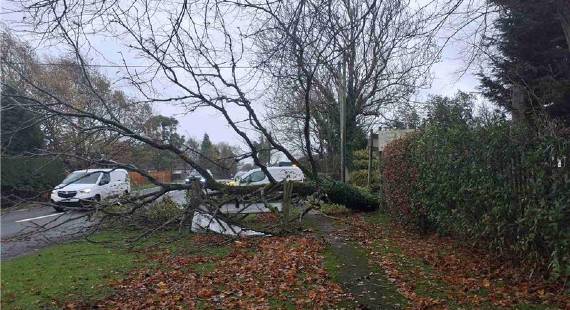 Highways teams are ready to keep Cheshire East moving this winter
 Cheshire East named best place for children to grow up
 Christie patients share their aspirations for improving cancer care
 Cheshire East Council vote to oppose Peak Cluster proposals
 Have your say on home to school travel assistance in Cheshire East