
Cheshire East Council has announced significant progress in its journey to becoming operationally carbon neutral, achieving 60% of its target to date.
The Council purchases green electricity, generates its own green electricity through its solar farm, has reduced its overall energy use and has now completed its tree planting programme to offset emissions.
Seven major woodland projects and numerous smaller sites across the borough will deliver 30 hectares of community tree planting and 90 hectares of mixed woodland. These schemes have been funded through DEFRA’s Trees for Climate programme and planted in partnership with The Mersey Forest and Cheshire Wildlife Trust. Comparable to 300 football pitches, this new woodland will strengthen biodiversity and enhance access to high‑quality green spaces for local communities.
Among the thousands of trees planted are black poplars, one of the UK’s rarest native species. Their inclusion supports the conservation of a tree once widespread in the British countryside and adds an important ecological dimension to the wider woodland creation effort.
The Council is continuing its journey to reach its target with numerous projects:
Street lighting: The upgrading of street lighting to LED lighting is continuing and the illuminated bollard replacement programme has now completed.
Buildings and electricity: All council electricity continues to be supplied through the Renewable Energy Guarantees of Origin scheme, enabling electrification of heating and vehicles without increasing the council’s carbon footprint.
To date, 22 Council assets have received solar photovoltaic installations and 18 sites have transitioned to LED lighting.
Reducing gas consumption: Funding from the Public Sector Decarbonisation Scheme has enabled substantial reductions in gas use. Civic and community buildings, including Macclesfield Town Hall and Wilmslow Library, have benefited from upgraded heating systems, improved insulation and fabric improvements. Further carbon savings are expected once electricity grid upgrades are completed, potentially doubling current gas reductions.
Cleaner travel: Business travel emissions remain 37% below pre‑pandemic levels, reflecting a lasting shift to hybrid working, and since its launch in 2022, the council’s electric car club has offset around 60,000 business miles. While business mileage has begun to rise again in recent years, the Council has responded with an improvement programme to expand the electric car club to three vehicles and introduce a shared electric van. Electric pool cars are also being introduced at residential care homes, with the potential to reduce business travel by up to 80,000 miles. A new business mileage monitoring tool and updated travel guidance will be launched shortly, aiming to reduce business miles by 15% compared with 2024 levels.
Fleet electrification: Significant investment is also underway to support fleet electrification. New charging infrastructure is being delivered to charge grounds maintenance vehicles and electric food waste collection vehicles. Work is also continuing to develop a viable business case for heavier refuse collection vehicles as technology and finances allow.
Investment in green electricity: The Council’s solar farm at Leighton Grange in Crewe has now completed its first full year of operation, supplying renewable electricity to the Council’s composting facility and exporting surplus power to the national grid.
Looking ahead to 2030
While many future actions will depend on securing further government funding, the Council’s experience in delivering complex decarbonisation projects places it in a strong position to pursue new funding opportunities.
This work supports the ambitions set out in the Cheshire East Plan, reinforcing the Council’s commitment to tackling climate change, reducing emissions and supporting a greener, more sustainable future for the borough.
Cllr Heather Seddon, Vice Chair of the Environment and Communities Committee, said:
“It’s a fantastic achievement for the Council to complete such a large area of woodland creation. The new woodlands will benefit our residents for generations; they will improve air quality, support wildlife and help to lock away carbon. I’m particularly proud that we’ve been able to include rare species like the black poplar, which adds real conservation value to the programme. As the woodlands mature, careful management and selective thinning will help ensure they develop into healthy, robust forests capable of supporting a wide range of species.”
Cllr Sam Corcoran, Environment and Climate Change Champion for the Council, added:
“The completion of the tree planting milestone shows what can be achieved when ambition is combined with strong partnerships and demonstrates that the Council is delivering its commitment to becoming carbon neutral by 2030. I am delighted that the Council is developing future projects which will reduce the Council’s emissions further. It’s not just great news for the environment either; saving energy saves the Council money too, which is a win-win situation.”
 Man charged following sexual assault in Crewe
 Appeal for information following collision in Middlewich
 Council saddened by the loss of Leek’s Big Mill
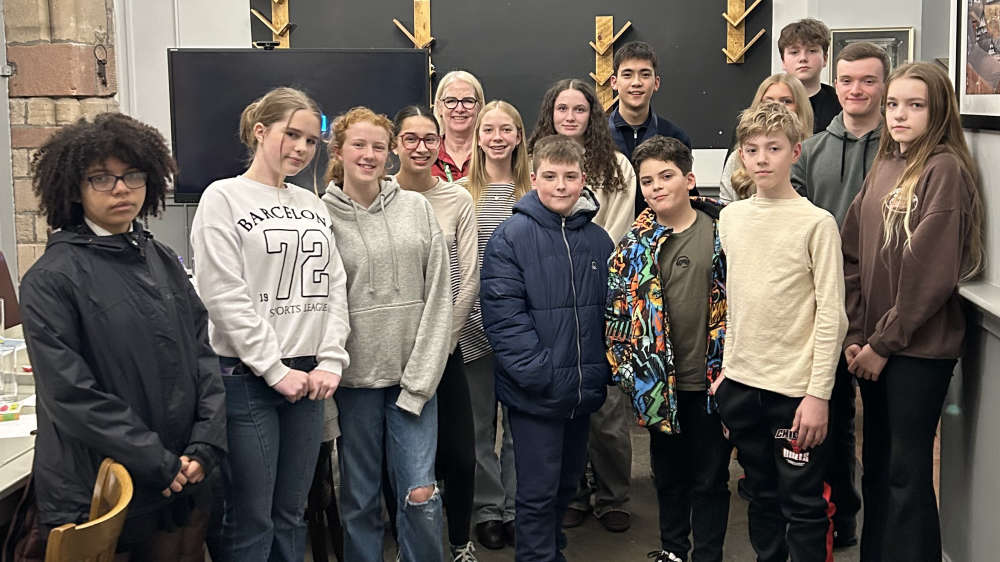 Make Your Mark: Mayor’s Cadet Applications Still Open
 Council prosecutes seller for illegal vape sales
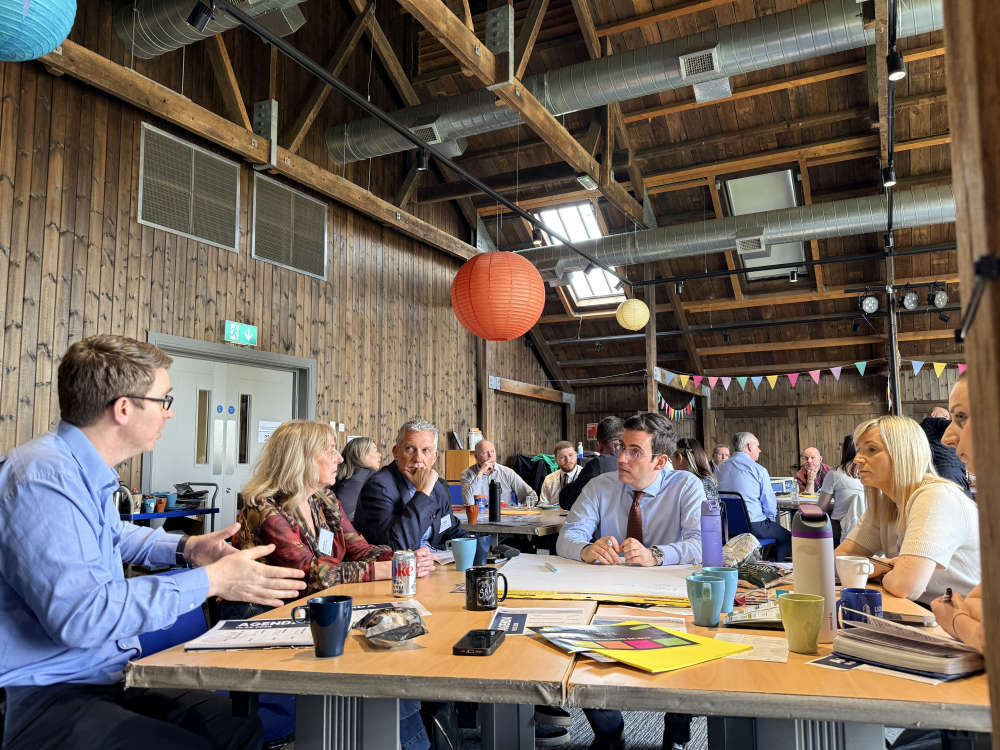 Cheshire plans for people on probation to build homes for the future
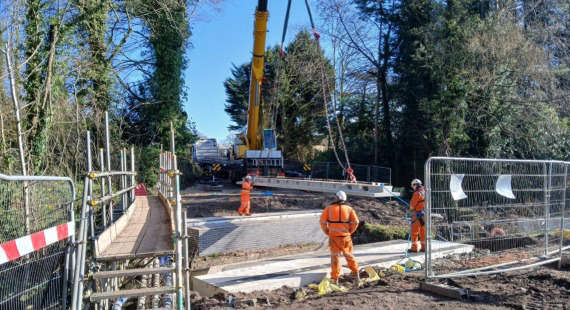 Cheshire East commits £45m to improve the borough’s roads and transport network
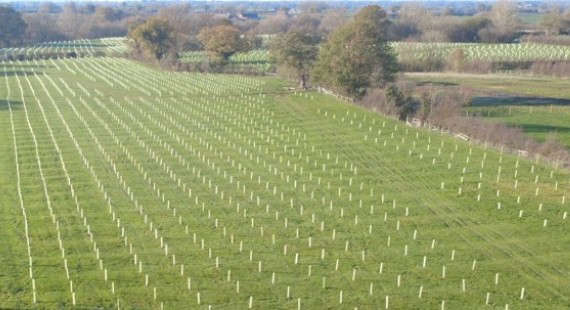 Cheshire East Council celebrates reaching tree-planting target
 Eight-year-old raises hundreds for retired police dogs with sponsored silence
 Emergency services join forces to promote safe and legal e-bike use as lighter nights arrive
 Council secures first closure order to combat anti-social behaviour
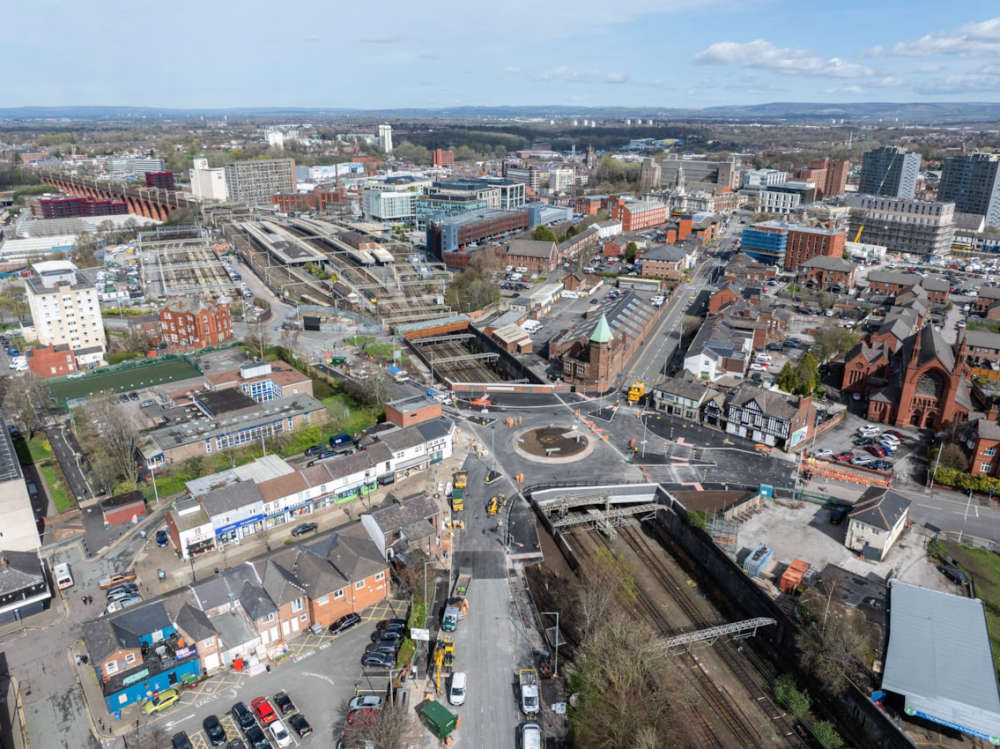 Greek Street roundabout reopens after £20m upgrade
 Wilmslow burglar jailed following police pursuit
 Council launches campaign to recruit short break foster carers
 Council reinforces commitment to public safety with updated tree risk strategy



Comments
Add a comment