


An estimated 1 in every 20 people diagnosed with COVID-19 experience the often ‘debilitating’ effects of long-term symptoms experienced after contracting COVID-19 – commonly known as ‘Long COVID’.
Someone is said to have Long COVID (or Post-COVID Syndrome), when symptoms continue for more than 12 weeks after a COVID-19 infection and cannot be explained by an alternative diagnosis.
Sufferers commonly experience generalised pain, fatigue, persisting high temperature and mental health problems such as post-traumatic stress, anxiety or depression - but many other symptoms have also been reported.
Mark Griffiths, 47, from Liverpool first contracted COVID-19 in March but soon realised something wasn’t right: “Initially I just thought I had a cold, then maybe flu but as my symptoms got worse, I had a test and found out I had COVID-19.
“I didn’t develop a cough until around 6 weeks later – and at this point I knew something was wrong.
“I then developed a whole range of symptoms such as fatigue, constant headaches, concentration and short-term memory problems, joint and muscle pain and breathing difficulties.
“As time went on, I became very frustrated. I was wondering, how long I would feel like this? How long will it take until I can live normally again and go back to work?
“After a while, I started to improve slowly - week by week – before returning to work full-time in September. However, my heart still races, and I still live with ongoing fatigue and headaches.
“People need to be aware that COVID-19 poses a greater risk to your health than you may think. I was a fit and strong individual and now I have symptoms I may have to live with for a long time to come. I certainly never thought I would become as ill as I did.
“Simply being cautious and following the advice can save people going through what I went through and potentially save lives.”
Dr Andrew Furber, Regional Director for Public Health England and NHS Public Health in the North West, said: “Long COVID can cause debilitating illness and a range of symptoms which may affect people’s ability to work, go to school, or even exercise.
“People often assume that if you’re young, fit and healthy COVID-19 will be a short-lived, minor illness for a couple of weeks and then you’ll be back to normal. This isn’t always the case and may develop into something more long-term and severely impact your quality of life.
“That’s why it’s still so important to follow COVID-19 advice closely. It’s not worth the risk.”
To help COVID-19 sufferers with their recovery, NHS England launched the ‘Your COVID Recovery’ website back in July.
Dr Furber added: ““We advise anyone suffering with the long-term effects of this disease to contact NHS 111 online or by phone in the first instance.
“The ‘Your COVID Recovery’ website is also a useful source of information, advice and support as you recover from COVID-19 – whether you’re experiencing physical or mental symptoms.”
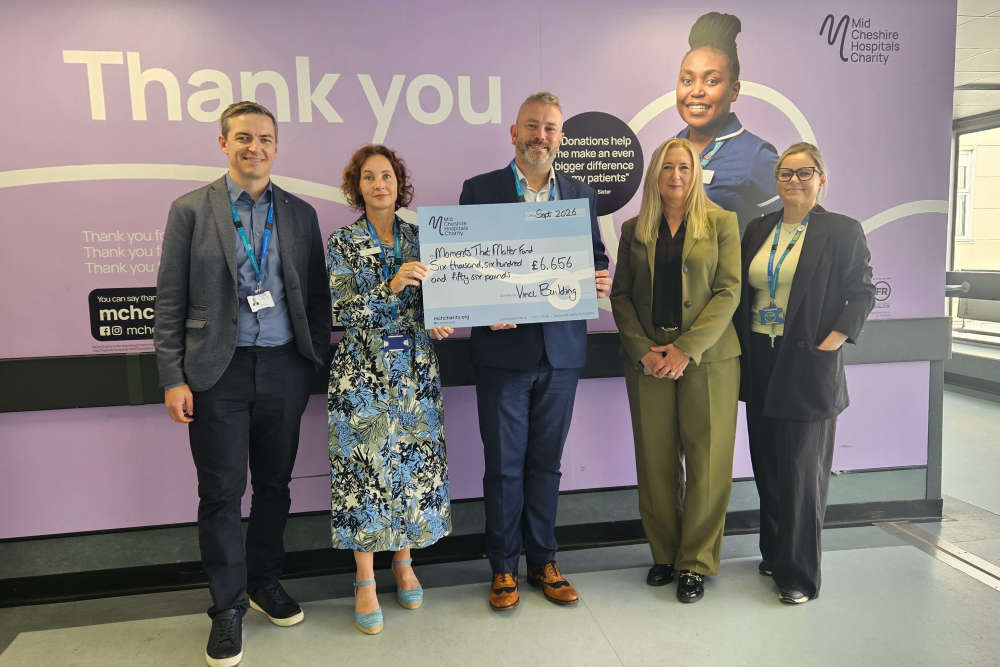 Future Leighton Hospital construction partner raises over £6,600 for Mid Cheshire Hospitals Charity
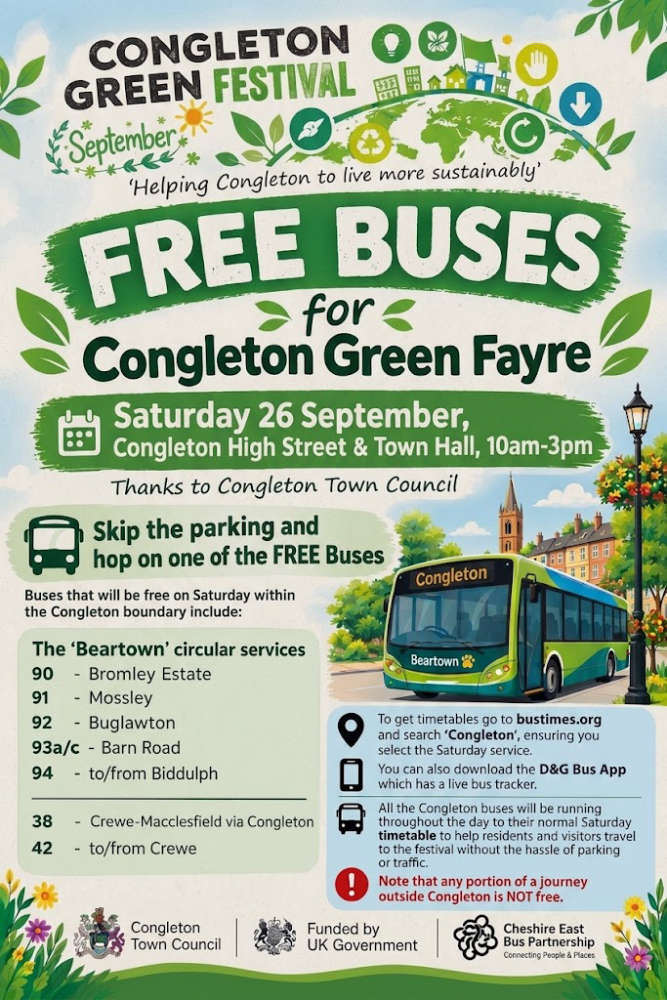 Congleton Town Council Provides Free Bus Travel to Power the Green Fayre
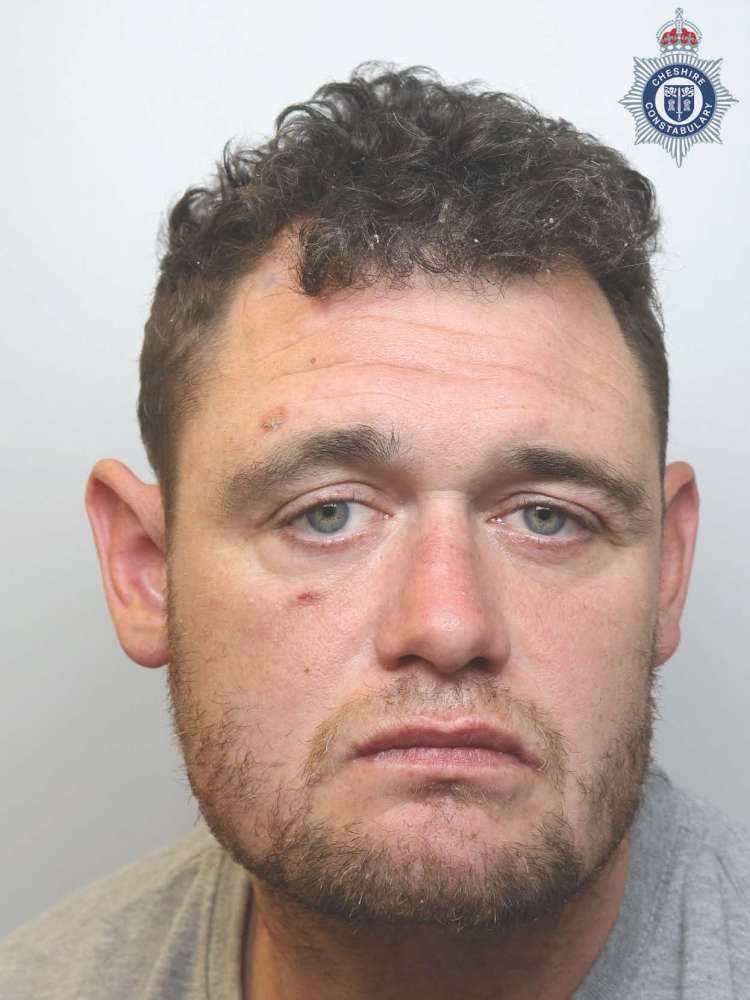 Man jailed for assaulting a man in Knutsford
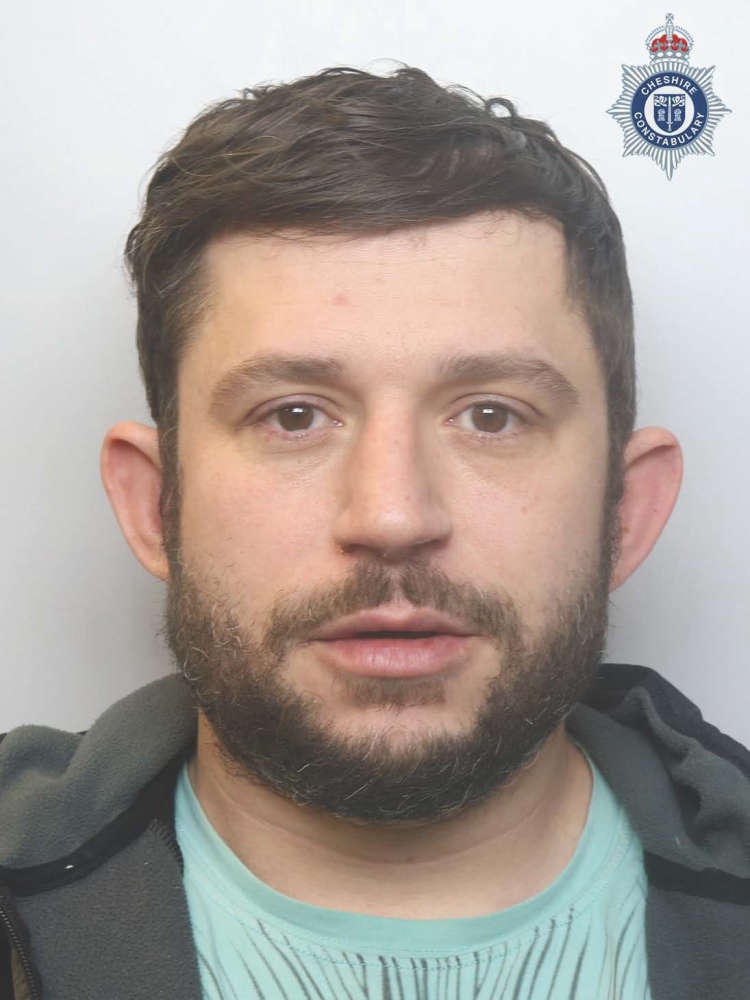 Man jailed for rape and attempted rape in Congleton
 Two-way traffic to return to Winsford Station Bridge with weight restriction in place
 TRACTOR RUN - ADLINGTON TO TWEMLOW - TO OPPOSE THE PEAK CLUSTER PIPELINE
 Crewe man sentenced for online child sexual offences
 Supporters join Cheshire disability charity to celebrate grand opening of Wingate Holidays
 New Congleton CID team goes from strength to strength
 Children and families in Cheshire to benefit from new Child Focused Courts approach
 Appeal for information following serious collision in Crewe
 How is smoking impacting your health?
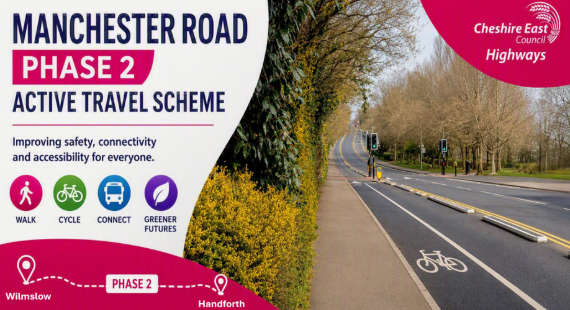 Work to begin on phase 2 of Manchester Road Active Travel scheme
 Eleven Years of Christmas for the Community – Buxton’s Community Helping Community
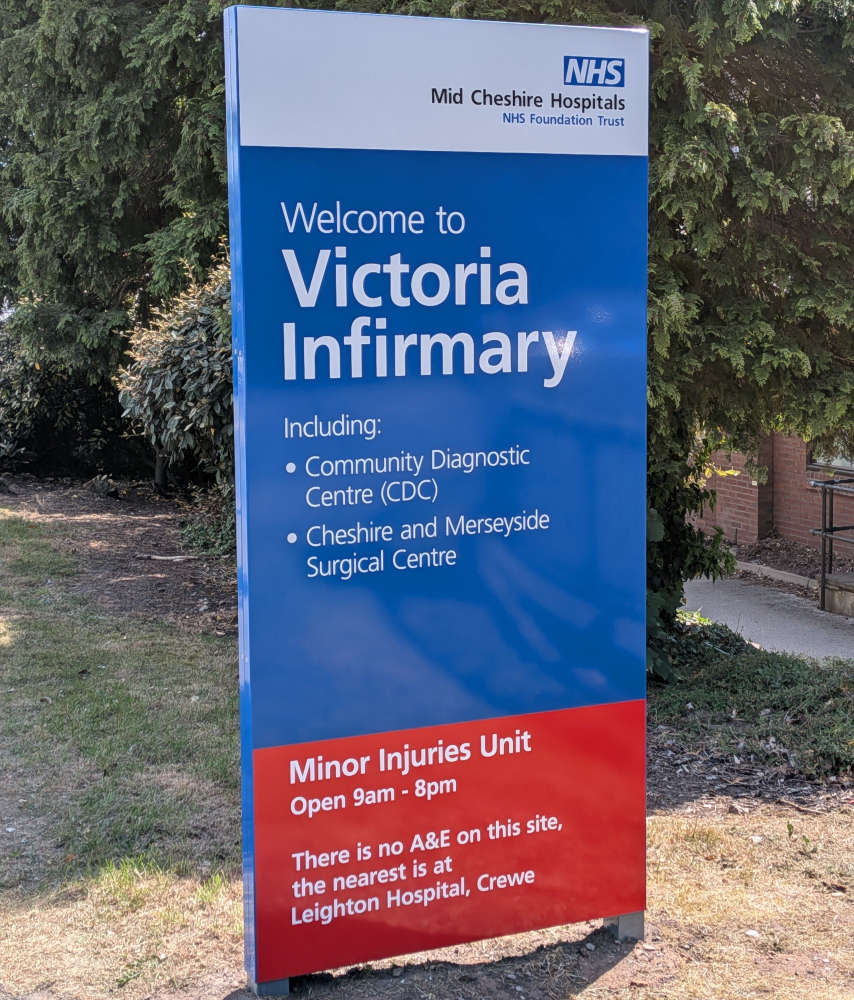 Victoria Infirmary Outpatients rated Good by the Care Quality Commission
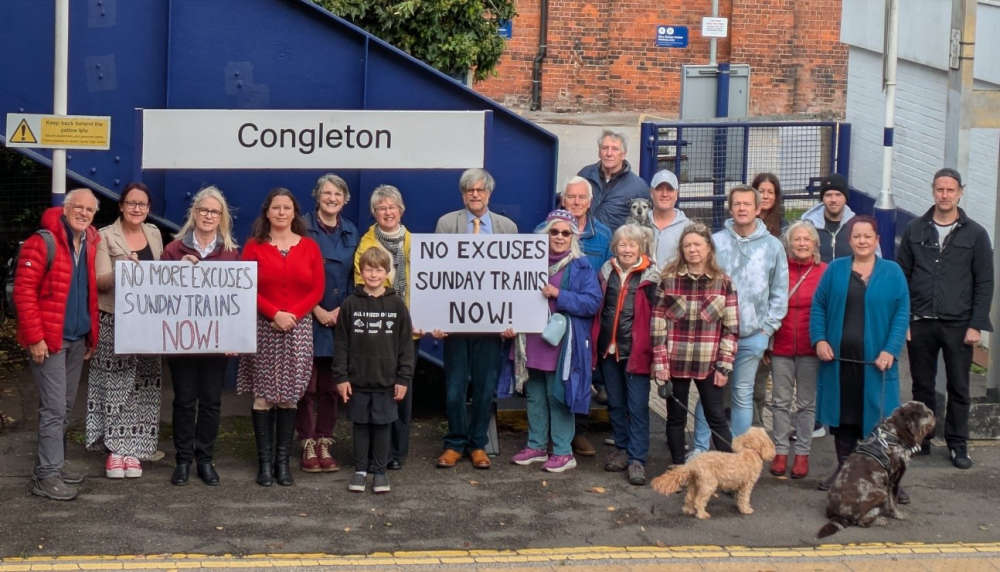 Two Years Without Sunday Trains - Congleton Campaigners Demand Action
 Residents invited to have their say on plans to clamp down on anti-social drivers
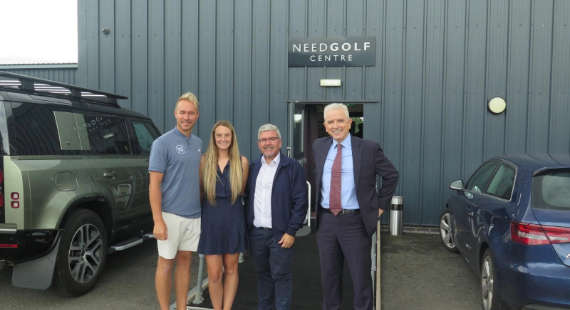 Cheshire East Council highlights business success at award-winning Need Golf visit
