
Diabetes UK is looking for people from Cheshire to get on their bikes and take on the UK Wide Cycle Ride this September.
This September take your fitness up a gear and complete our coast to coast virtual challenge. You can pick your distance from one of four routes:
- Beginners may want to tackle the 120-mile Route One – the equivalent of Dundee to Fort William
- Experienced cyclists who are after a challenge may find the 950-mile Route Four, the equivalent of Land’s End to John O’Groats, more their speed.
The aim is to challenge yourself – at your own pace – and pedal towards a stronger, healthier you. You can also get family, friends or colleagues along for the ride.
During the past few months, demand for our services has reached unprecedented levels and our own funding has been significantly impacted. People with diabetes need us now, and so we need your support to be able to continue fighting. Join us, and your support can change lives.
There are an estimated 4.7 million people living with diabetes in the UK − a condition where there is too much glucose in the blood because the body cannot use it properly. If not managed carefully, both type 1 and type 2 diabetes can lead to devastating complications, including sight loss, amputation, kidney failure and stroke. There is currently no known cure for any type of diabetes.
Clare Howarth, Head of the North of England at Diabetes UK, said: “Cycling is a fantastic way to help you get fit and healthy, have fun and set yourself a challenge. Whether you’re a novice in the saddle or a cycling fanatic, our team will be on hand to offer cycling tips and fundraising advice.
“Every mile you complete and every pound you raise brings us closer to our vision of a world where diabetes can do no harm. Sign up and get pedalling – your support can change lives!”
To register, visit diabetes.org.uk/ride. There is no registration fee and no minimum sponsorship.
1. Diabetes UK’s aim is creating a world where diabetes can do no harm. Diabetes is the most devastating and fastest growing health crisis of our time, affecting more people than any other serious health condition in the UK - more than dementia and cancer combined. There is currently no known cure for any type of diabetes. With the right treatment, knowledge and support people living with diabetes can lead a long, full and healthy life. For more information about diabetes and the charity’s work, visit www.diabetes.org.uk
2. Diabetes is a condition where there is too much glucose in the blood because the body cannot use it properly. If not managed well, both type 1 and type 2 diabetes can lead to devastating complications. Diabetes is one of the leading causes of preventable sight loss in people of working age in the UK and is a major cause of lower limb amputation, kidney failure and stroke.
3. People with type 1 diabetes cannot produce insulin. About 8 per cent of people with diabetes have type 1. No one knows exactly what causes it, but it’s not to do with being overweight and it isn’t currently preventable. It’s the most common type of diabetes in children and young adults, starting suddenly and getting worse quickly. Type 1 diabetes is treated by daily insulin doses – taken either by injections or via an insulin pump. It is also recommended to follow a healthy diet and take regular physical activity.
4. People with type 2 diabetes don’t produce enough insulin or the insulin they produce doesn’t work properly (known as insulin resistance). Around 90 per cent of people with diabetes have type 2. They might get type 2 diabetes because of their family history, age and ethnic background puts them at increased risk. They are also more likely to get type 2 diabetes if they are overweight. It starts gradually, usually later in life, and it can be years before they realise they have it. Type 2 diabetes is treated with a healthy diet and increased physical activity. In addition, tablets and/or insulin can be required.
5. About 2 per cent of people have other types of diabetes. Other types include 11 different forms of monogenic diabetes, cystic fibrosis related diabetes and diabetes caused by rare syndromes. Certain medication such as steroids and antipsychotics, surgery or hormonal imbalances could also lead to other types of diabetes.
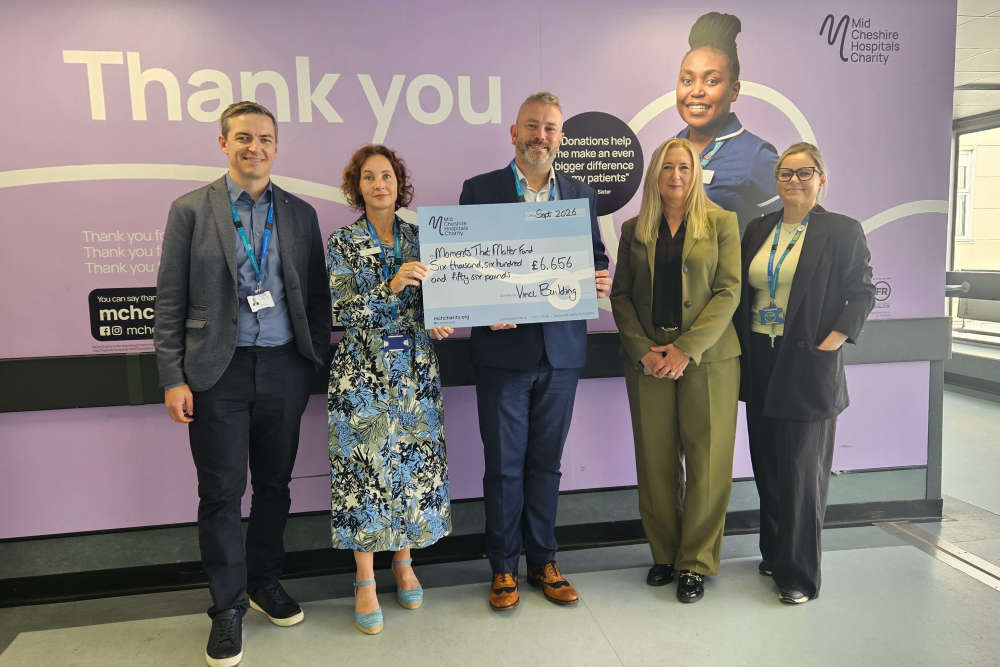 Future Leighton Hospital construction partner raises over £6,600 for Mid Cheshire Hospitals Charity
 Congleton Town Council Provides Free Bus Travel to Power the Green Fayre
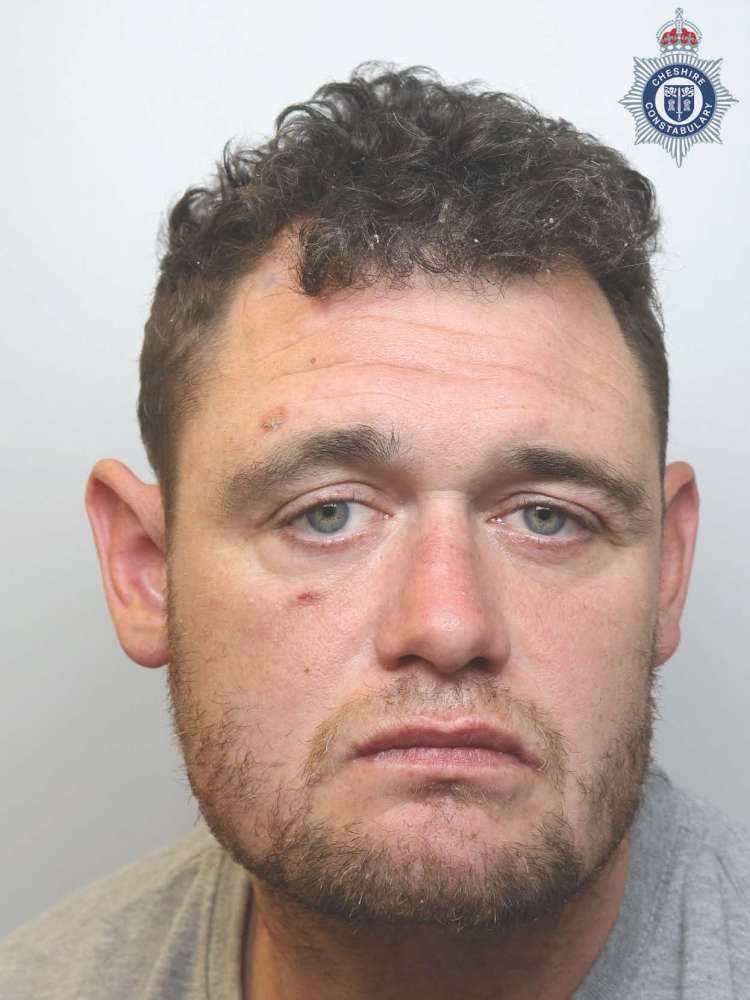 Man jailed for assaulting a man in Knutsford
 Man jailed for rape and attempted rape in Congleton
 Two-way traffic to return to Winsford Station Bridge with weight restriction in place
 TRACTOR RUN - ADLINGTON TO TWEMLOW - TO OPPOSE THE PEAK CLUSTER PIPELINE
 Crewe man sentenced for online child sexual offences
 Supporters join Cheshire disability charity to celebrate grand opening of Wingate Holidays
 New Congleton CID team goes from strength to strength
 Children and families in Cheshire to benefit from new Child Focused Courts approach
 Appeal for information following serious collision in Crewe
 How is smoking impacting your health?
 Work to begin on phase 2 of Manchester Road Active Travel scheme
 Eleven Years of Christmas for the Community – Buxton’s Community Helping Community
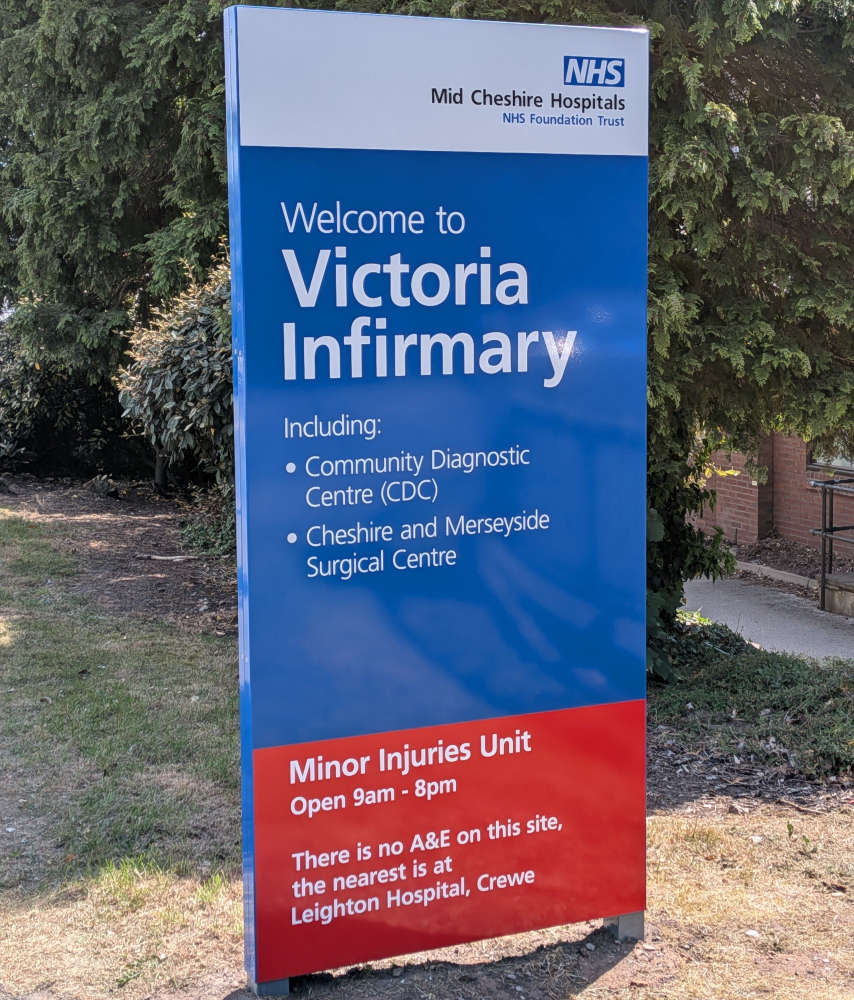 Victoria Infirmary Outpatients rated Good by the Care Quality Commission
 Two Years Without Sunday Trains - Congleton Campaigners Demand Action
 Residents invited to have their say on plans to clamp down on anti-social drivers
 Cheshire East Council highlights business success at award-winning Need Golf visit