

Pavements could be made safer for people with disabilities and families under new proposals to ban anti-social parking unveiled by the Government today.
Parking on pavements disproportionately affects people with visual or mobility impairments, those assisted by guide dogs, and wheelchair and mobility scooter users. More than 95 per cent of wheelchair users and people with visual impairments say they have faced problems as a result of vehicles parked on pavements.
Three options are proposed in the consultation launched today – improving the traffic regulation order process to make it easier for councils to prohibit pavement parking in their areas, giving councils powers to fine drivers who park on paths, and a London-style nationwide ban on pavement parking.
However, there is still a major role for cars and other private vehicles, so any future plans will need to take this into consideration.
Transport Secretary Grant Shapps said:
“Parking on pavements means wheelchair users, visually impaired people and parents with push chairs can be forced into the road, which is not only dangerous, but discourages people from making journeys.
“A key part of our green, post-Covid recovery will be encouraging more people to choose active travel, such as walking, so it is vital that we make the nation’s pavements accessible for everyone.”
Pavement parking presents a clear safety risk when parked cars occupy the pavement and force vulnerable pedestrians to move into the road.
Disabled people say pavement parking is a significant barrier to carrying out daily journeys. Recent research from the charity Guide Dogs shows that 32% of people with vision impairments and 48% of wheelchair users were less willing to go out on their own because of pavement parking, decreasing independence and contributing towards isolation.
As many streets were built decades and centuries before the high levels of vehicles currently on roads, any measures will need to ensure the free-flow of traffic and access for the emergency services.
The consultation is the government’s latest step to deliver on commitments to make transport equally accessible for all users by 2030, as set out in the Inclusive Transport Strategy.
Stephen Edwards, Director of Policy and Communications, Living Streets said:
“We’re regularly contacted by disabled and older people who feel trapped in their homes because there isn’t enough room on the pavement for wheelchairs or mobility scooters.
“This has impacted more people during the pandemic with blocked pavements affecting everyone’s ability to physically distance.”
Blanche Shackleton, Head of Policy, Public Affairs and Campaigns at Guide Dogs said:
“For many people with sight loss, cars and vans parked on the pavement make our streets stressful and dangerous to navigate. At any time, you might be forced out into the road with traffic that you cannot see.”
“When every journey is an ordeal, simply going out independently can become daunting.”
Justine Roberts, Founder and CEO of Mumsnet said:
“Lots of us have occasionally parked a couple of wheels up on the pavement to leave space on the road without really thinking about how it might inconvenience people.
“It's a topic that comes up regularly on Mumsnet, where wheelchair users and people with buggies share stories about being forced into the road, or having to double back long distances.”
The consultation comes as Transport Secretary Grant Shapps steps up efforts to encourage active travel – such as walking – as part of a green, post-Covid recovery, and level up road quality across the country. The government announced £2bn in May to get more people walking and cycling, and £2.5bn in the Budget towards repairing potholes as part of the biggest nationwide programme ever announced.
On top of this, the government is also investing £27bn to improve roads across the country and boost connectivity between our towns and cities.
It is currently an offence to cause an unnecessary obstruction on the highway, which is enforceable by the police.
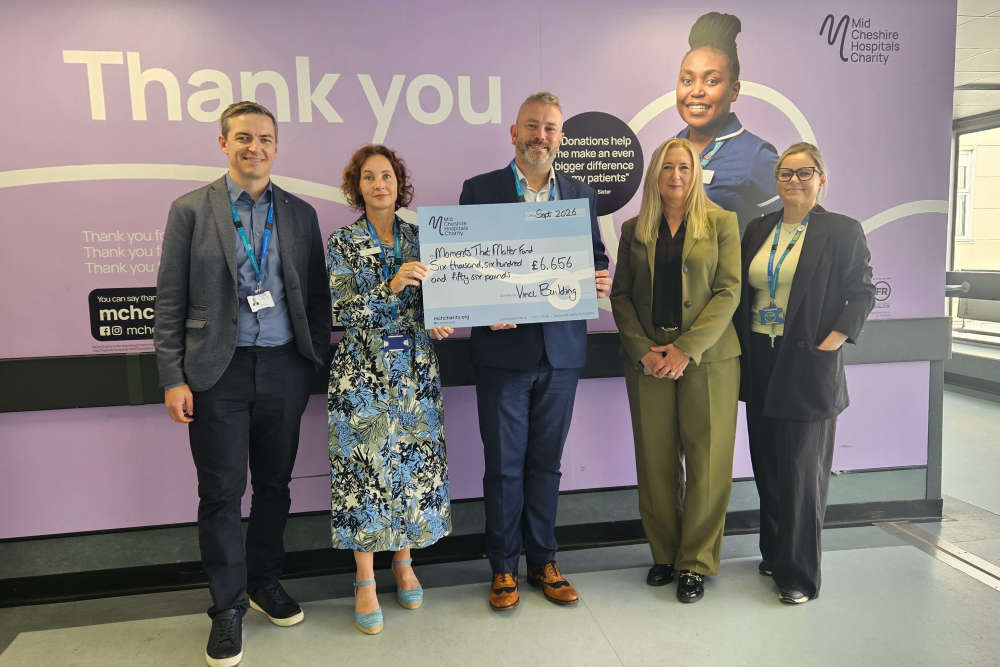 Future Leighton Hospital construction partner raises over £6,600 for Mid Cheshire Hospitals Charity
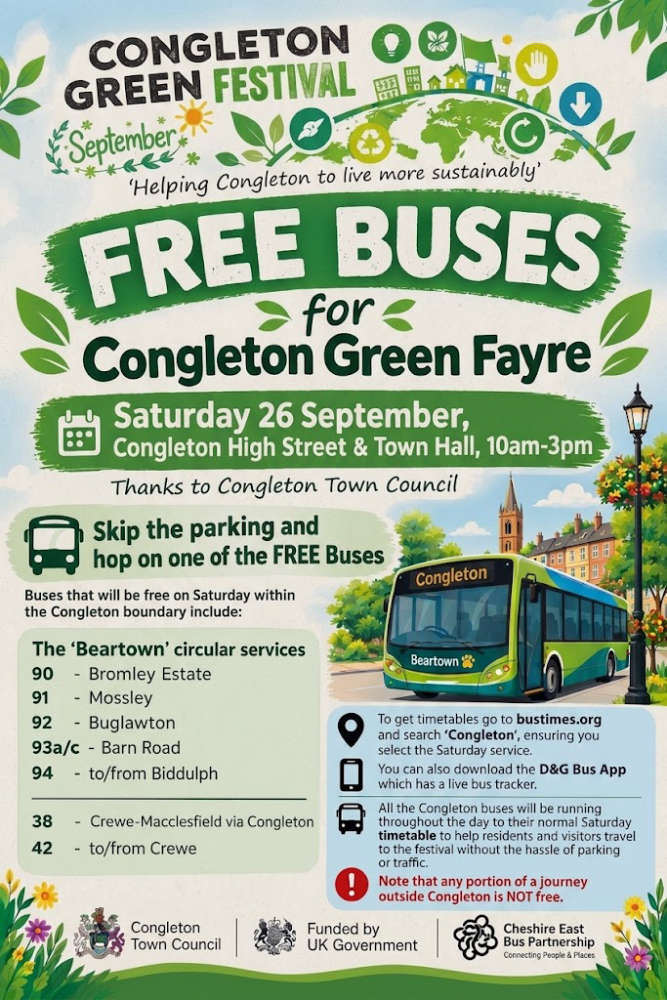 Congleton Town Council Provides Free Bus Travel to Power the Green Fayre
 Man jailed for assaulting a man in Knutsford
 Man jailed for rape and attempted rape in Congleton
 Two-way traffic to return to Winsford Station Bridge with weight restriction in place
 TRACTOR RUN - ADLINGTON TO TWEMLOW - TO OPPOSE THE PEAK CLUSTER PIPELINE
 Crewe man sentenced for online child sexual offences
 Supporters join Cheshire disability charity to celebrate grand opening of Wingate Holidays
 New Congleton CID team goes from strength to strength
 Children and families in Cheshire to benefit from new Child Focused Courts approach
 Appeal for information following serious collision in Crewe
 How is smoking impacting your health?
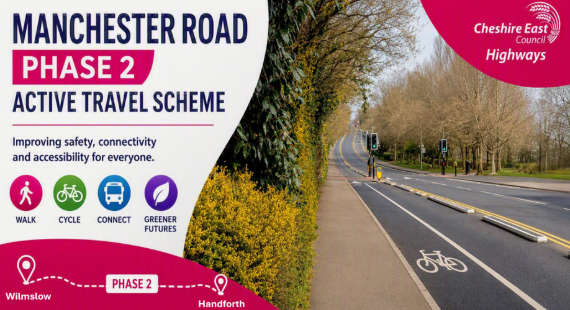 Work to begin on phase 2 of Manchester Road Active Travel scheme
 Eleven Years of Christmas for the Community – Buxton’s Community Helping Community
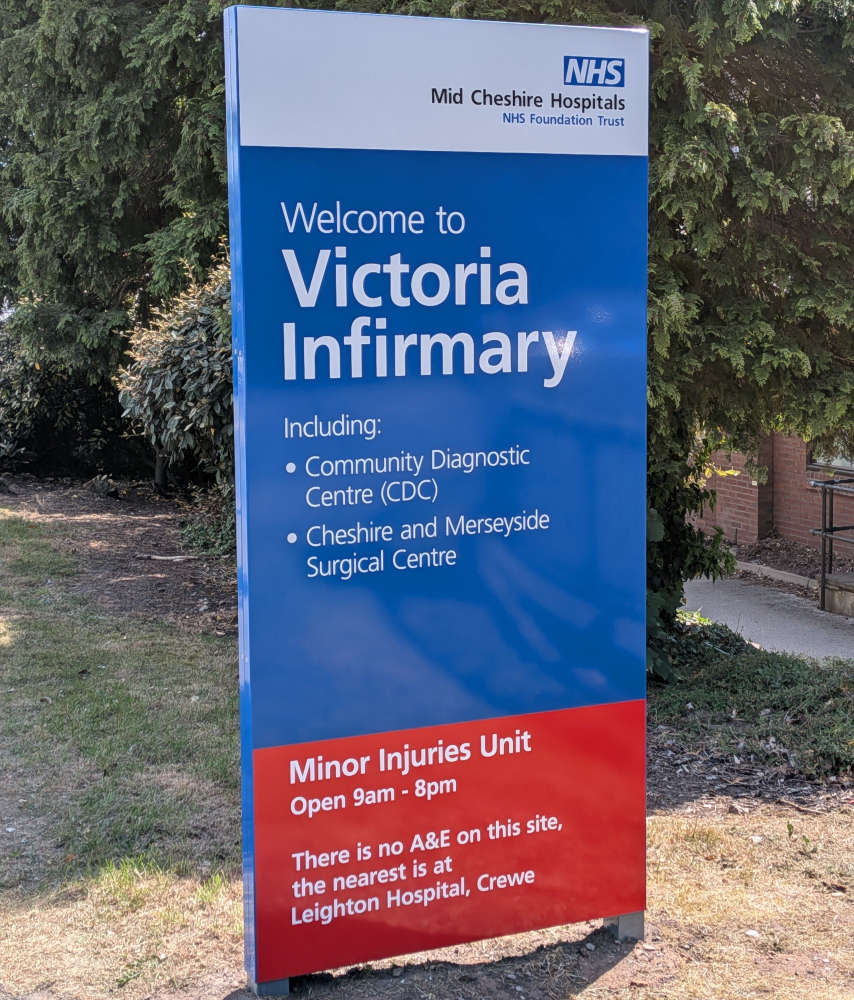 Victoria Infirmary Outpatients rated Good by the Care Quality Commission
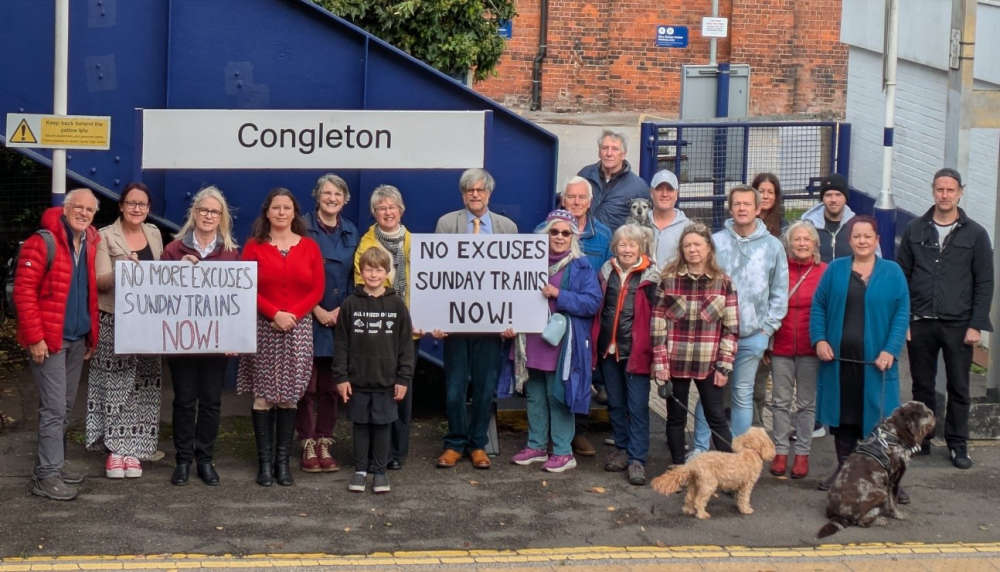 Two Years Without Sunday Trains - Congleton Campaigners Demand Action
 Residents invited to have their say on plans to clamp down on anti-social drivers
 Cheshire East Council highlights business success at award-winning Need Golf visit