


Large community and religious WhatsApp groups are being targeted by scammers who infiltrate them to try and deceive their members into sending them money.
|
Since January of this year, 268 people have reported falling victim to this scam. The fraud often begins when a member of the group receives a WhatsApp audio call from the fraudster, pretending, or claiming, to be a member of the group. This is done in order to gain the individual’s trust, and often the scammer will use a false profile picture and / or display name, so at first glance it would appear to be a genuine member of the group. The fraudster will then call the victim and say they are sending a one-time passcode which will allow them to join an upcoming video call for group members. The scammer then asks the victim to share this passcode with them so they can be “registered” for the video call. What’s really happening is that the scammer is asking for a registration code to register the victim’s WhatsApp account to a new device where they then “port” their WhatsApp profile over. Once the fraudster has access to the victim’s WhatsApp account, they will enable two-step verification which makes it impossible for the victim to access their account. The scammer will then message other members of the group, or friends and family in the victim’s contacts, asking them to transfer money urgently as they are in desperate need of help. Oliver Shaw, Detective Chief Superintendent and Head of Action Fraud and the National Fraud Intelligence Bureau (NFIB) said:“WhatsApp continues to be a popular platform for community and religious groups, but sadly also for fraudsters. Here, the scammers rely on the goodwill of group members and their intrinsic desire to help others in distress. “We urge people always to be wary when receiving contact via WhatsApp or other messaging platforms. This is particularly the case when being asked to provide account information – despite the fact that you may recognise the individual’s profile picture and / or name. “Never share your account information with anyone, and if you think it’s a fraudulent approach, report the message and block the sender within WhatsApp. To make your account more secure, we advise setting up two-step verification to provide an extra layer of protection. This makes it increasingly more difficult for fraudsters to gain access to somebody else’s WhatsApp account”. Analysis of Action Fraud reports indicate that victims targeted by this scam are often part of large WhatsApp community, alumni and academic, work groups, and religious groups (such as church or prayer groups). What can you do to avoid being a victim?
|
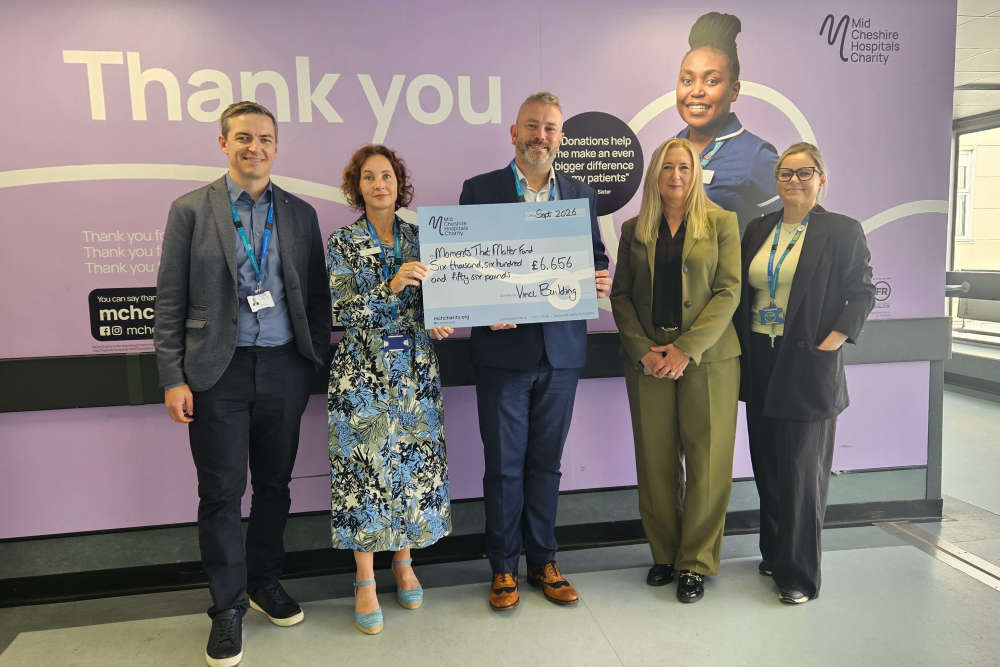 Future Leighton Hospital construction partner raises over £6,600 for Mid Cheshire Hospitals Charity
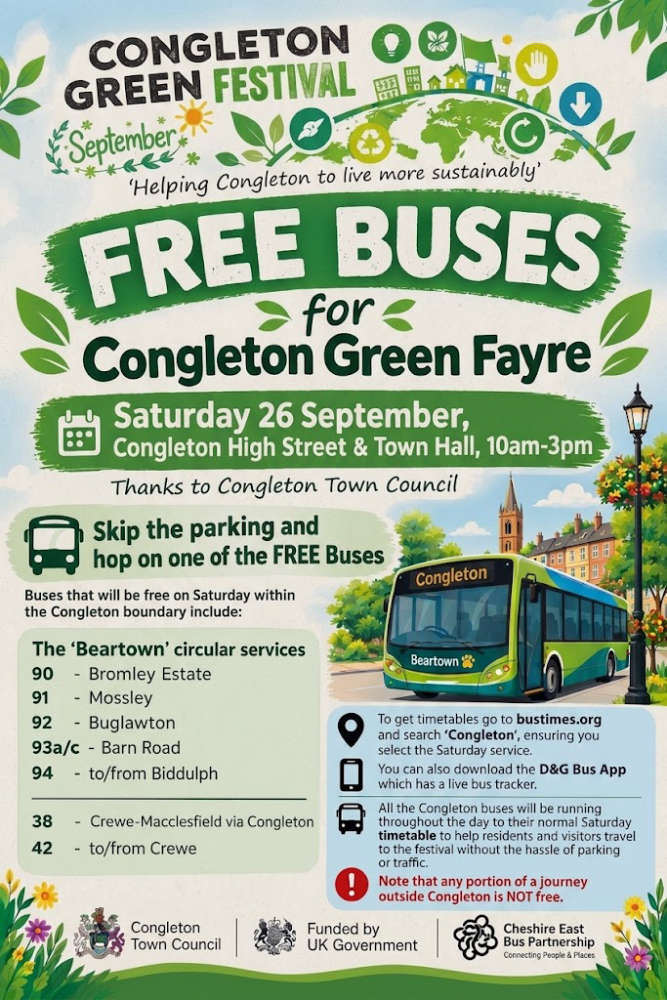 Congleton Town Council Provides Free Bus Travel to Power the Green Fayre
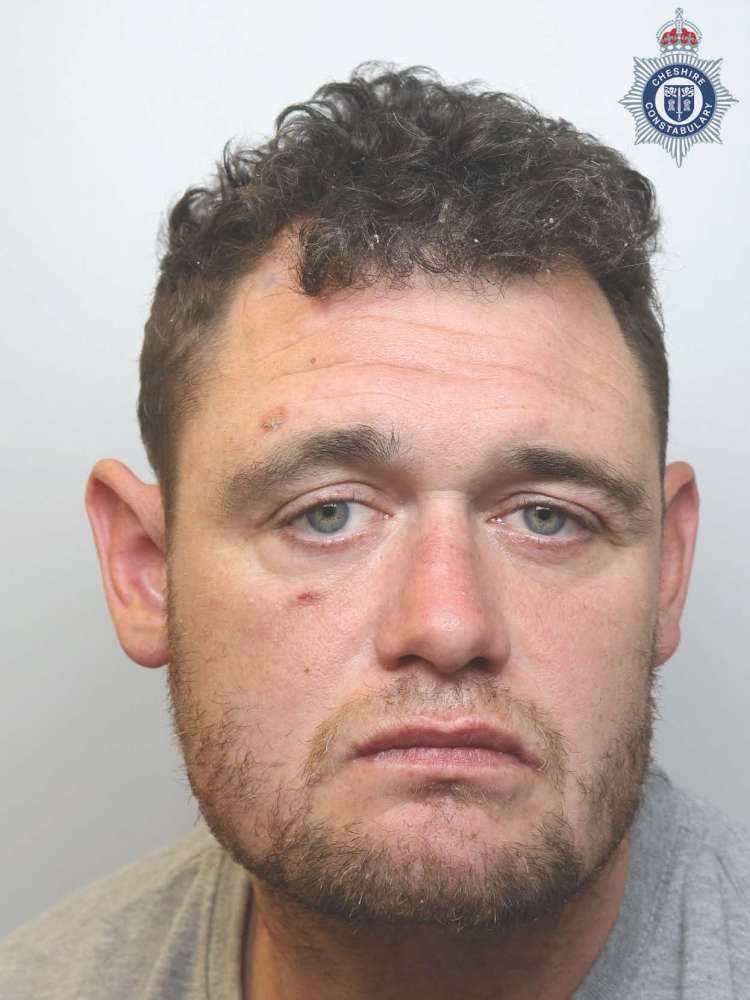 Man jailed for assaulting a man in Knutsford
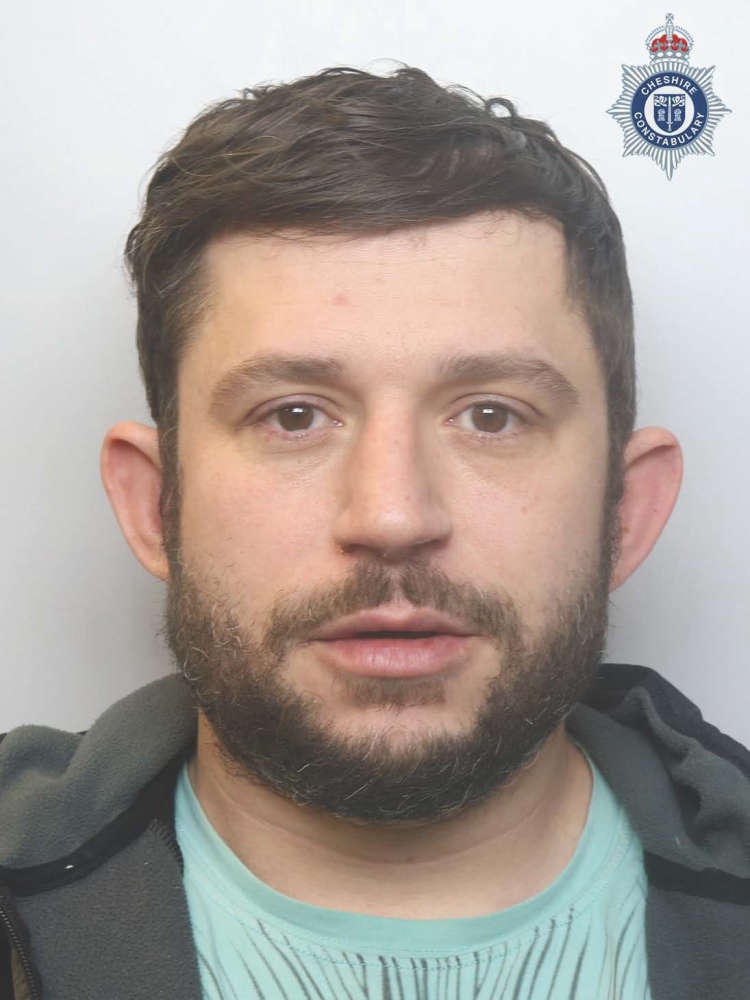 Man jailed for rape and attempted rape in Congleton
 Two-way traffic to return to Winsford Station Bridge with weight restriction in place
 TRACTOR RUN - ADLINGTON TO TWEMLOW - TO OPPOSE THE PEAK CLUSTER PIPELINE
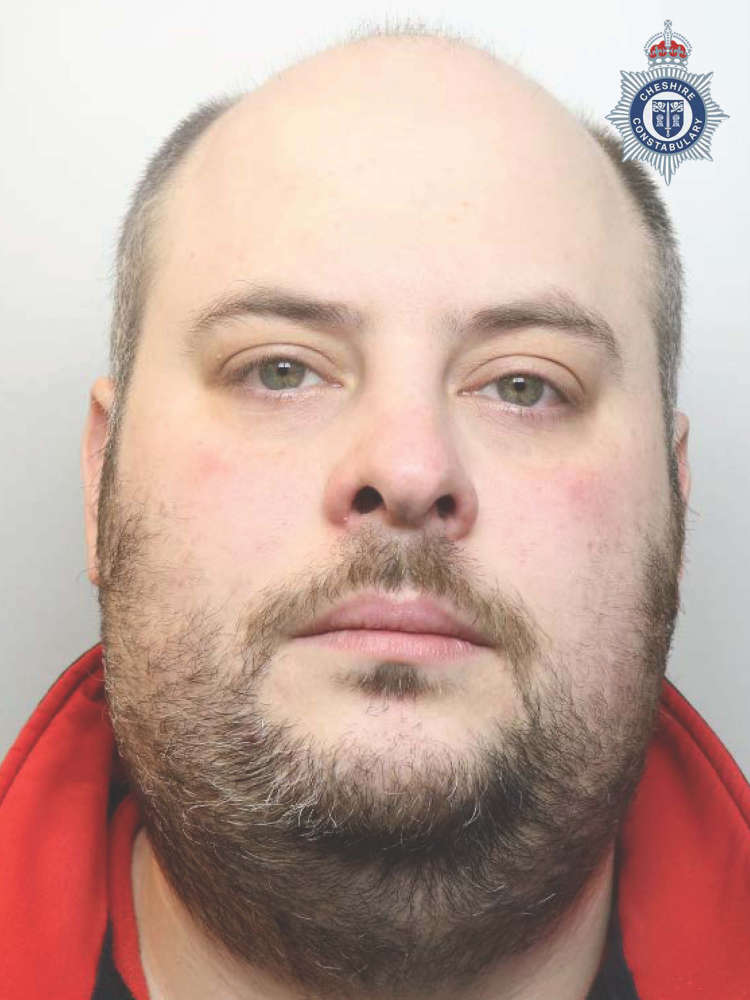 Crewe man sentenced for online child sexual offences
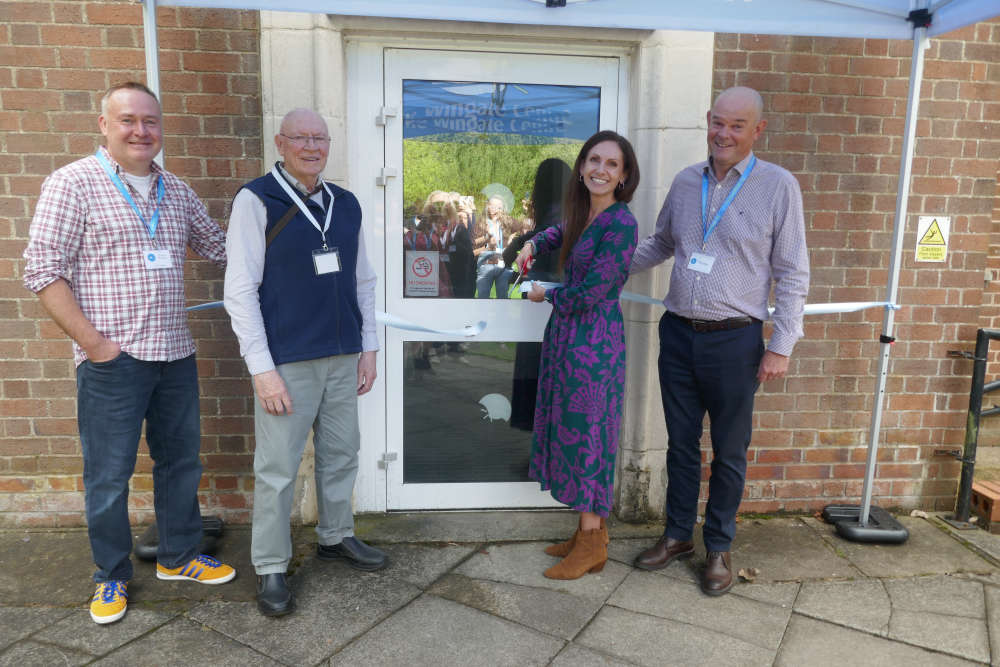 Supporters join Cheshire disability charity to celebrate grand opening of Wingate Holidays
 New Congleton CID team goes from strength to strength
 Children and families in Cheshire to benefit from new Child Focused Courts approach
 Appeal for information following serious collision in Crewe
 How is smoking impacting your health?
 Work to begin on phase 2 of Manchester Road Active Travel scheme
 Eleven Years of Christmas for the Community – Buxton’s Community Helping Community
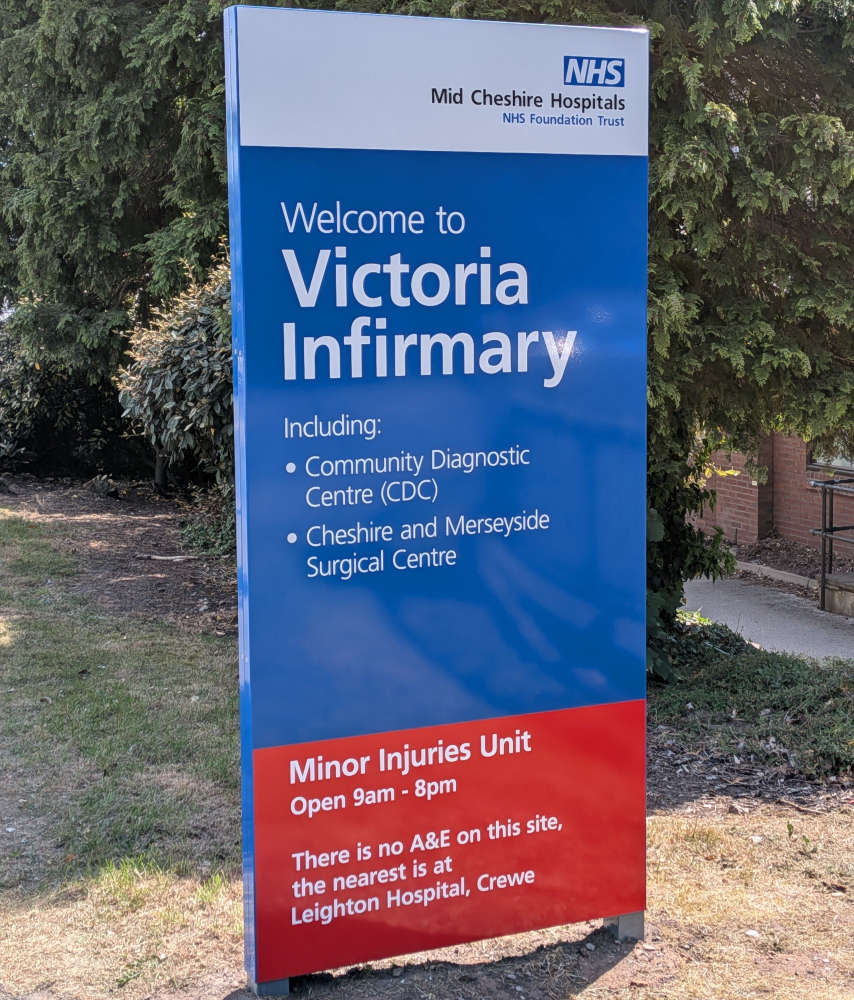 Victoria Infirmary Outpatients rated Good by the Care Quality Commission
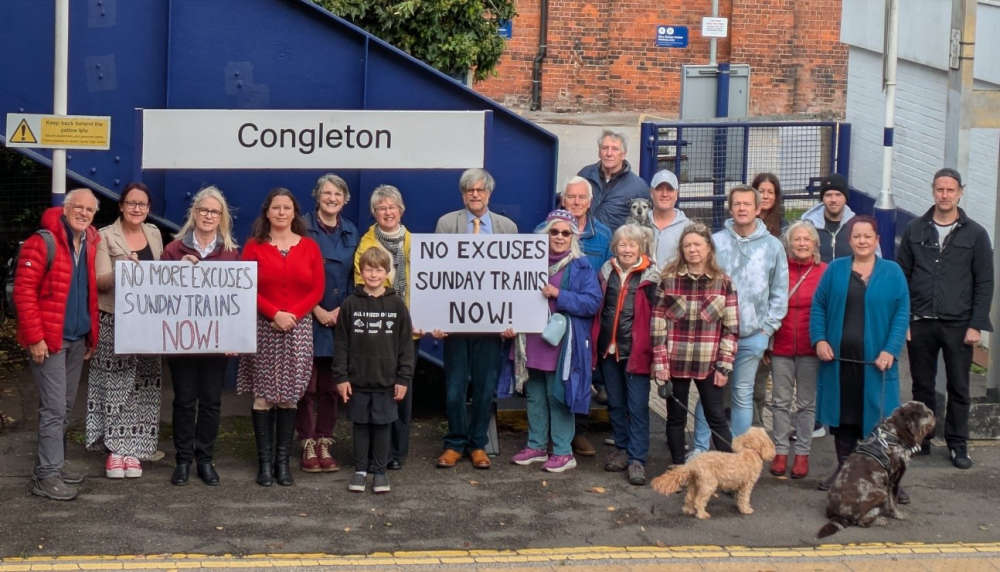 Two Years Without Sunday Trains - Congleton Campaigners Demand Action
 Residents invited to have their say on plans to clamp down on anti-social drivers
 Cheshire East Council highlights business success at award-winning Need Golf visit

Comments
Add a comment