
The NSPCC is urging people to stay alert for possible signs of abuse under lockdown, by releasing the top 10 signs of abuse to coincide with its annual Childhood Day fundraising.
Lockdown has forced hundreds of thousands of children across the UK into unsafe homes, trapped with abusive family members or friends. Now more than ever, it’s important that we continue to stay alert for possible signs of abuse and neglect in our communities.
The NSPCC helpline responded to 1,500 contacts about domestic abuse from across the UK between 23 March and 17 May 2020, resulting in 191 referrals being made to local agencies in the North West.
These figures have been released ahead of the NSPCC’s Childhood day, an annual fundraising event which this year encourages people to ‘Be a big kid’ to raise money for the charity. People across the North West are set to hold their own ‘big kid’ events to raise funds for the charity.
Your support could not come at a more crucial time, as Helpline Practitioner Felicity Aspinall explains:
“Contacts to the NSPCC’s helpline about the impact of domestic abuse on children have surged by almost a third since the start of the lockdown, to an average of one an hour.”
“At the NSPCC Helpline our main aim is to help children, but we also offer support and advice to anyone who has concerns about the wellbeing of a child – we can let callers know about how we can help and what to look out for."
The NSPCC has released a guide for anyone who may be concerned about a child’s welfare, and how to spot signs under lockdown and conforming to government distancing guidelines:
Behavioural: Children may-
- Show uncharacteristic aggression. Younger children may try to physically harm other people and animals.
- Have knowledge of adult issues inappropriate for their age.
- Become withdrawn or anxious, and lacking social skills.
- Come across as attention seeking when around adults.
- Cry for long periods of time.
Physical: You may notice-
- Shouting, hitting or things being broken.
- A child with the effects of poisoning, such as vomiting, drowsiness or seizures.
- Very young children left alone or are outdoors by themselves.
- Children always choosing to wear clothes which cover their body, or with visible wounds or bruises.
- Children with changes in weight or growth, or a swollen or thin tummy.
Felicity added: “Sometimes people don’t call straight away because they’re not sure if what’s happening constitutes abuse. But we need people to call us as soon as they become concerned, no matter how big or small they believe the concerns to be, as this can be the missing piece to a jigsaw of a bigger picture which can make all the difference to a child.”
If you’d like to join us and ‘be a big kid’ this Childhood day, June 26th, visit https://www.nspcc.org.uk/what-you-can-do/charity-runs-cycles-and-challenges/social-and-special-events/childhood-day/ to sign up today!
 SILK MUSEUM LAUNCHES COMMUNITY-DRIVEN FOOTBALL PHOTOGRAPHY PROJECT
 Local father takes on the Manchester Marathon in thanks to the NHS
 ‘Thumbs up for buses’ say Cheshire East residents
 Council to return to a leader and cabinet model of decision making
 Council celebrates world first green inhaler manufacturer
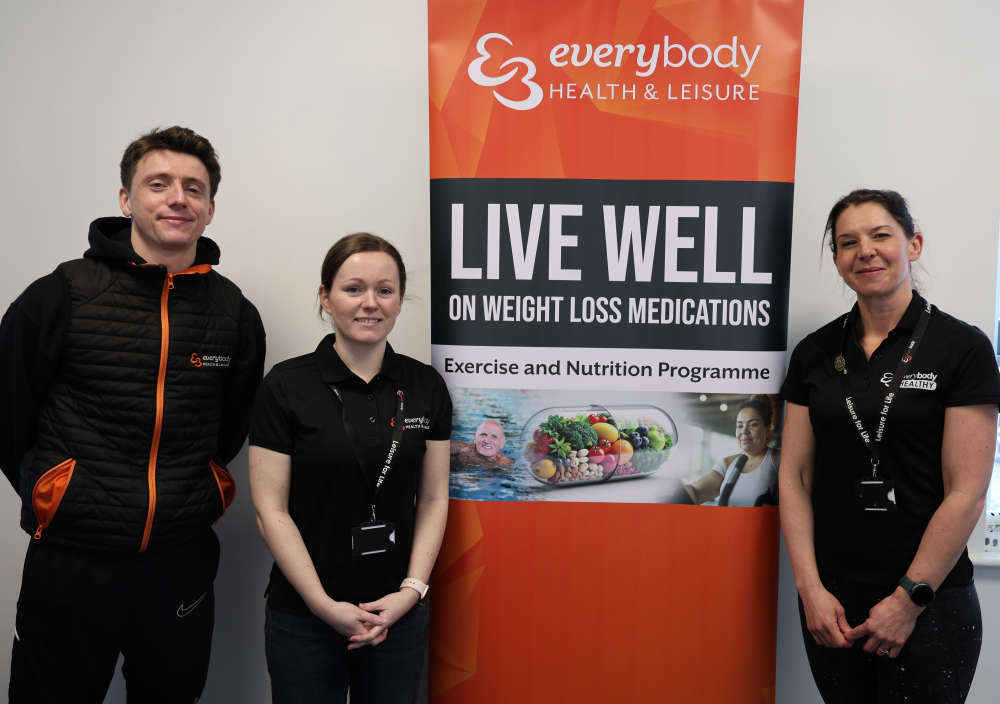 Exercise and nutrition programme launches for those on weight loss medications across Cheshire East
 Nearly 20 illegal firearms handed over to police following month-long amnesty campaign
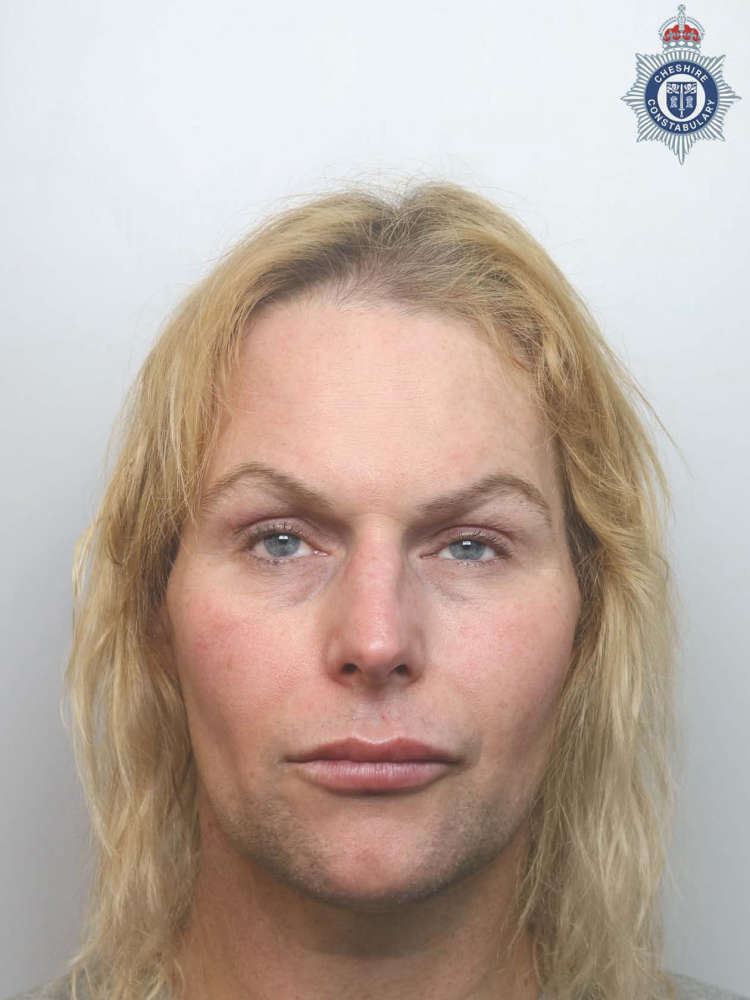 Aurin Makepeace jailed for murdering Steven Rothwell
 Crime continues to fall in Cheshire for the fourth year in a row
 Appeal for information after man found with unexplained injuries in Macclesfield
 Young Golfer Sets New Record
 Family of man who died following collision pay tribute
 Over 200,000 illegal cigarettes seized in western immigration operation
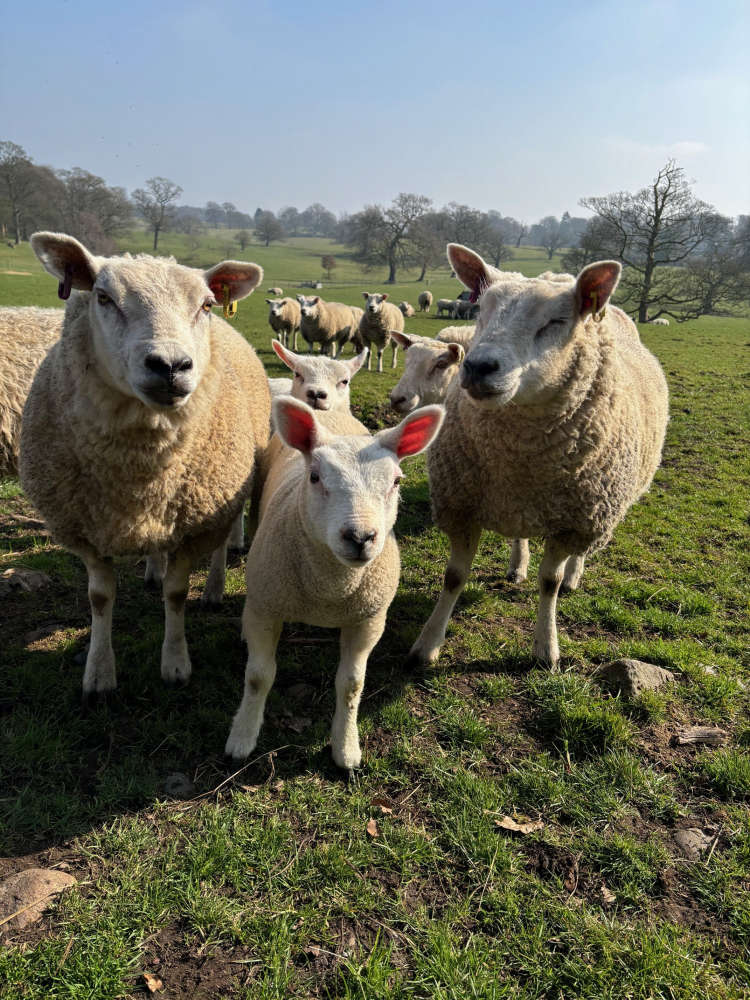 Warning after rising attacks on sheep in Cheshire
 Road safety operation launches to keep road users safe
 Cheshire bucks the national trend in tackling shoplifting
 Council sets future vision for transport
 Serial thief jailed following Northwich crime spree
 Healing Paws Therapy: Supporting Emotional Wellbeing Across Cheshire for Children, Families and Care Communities