

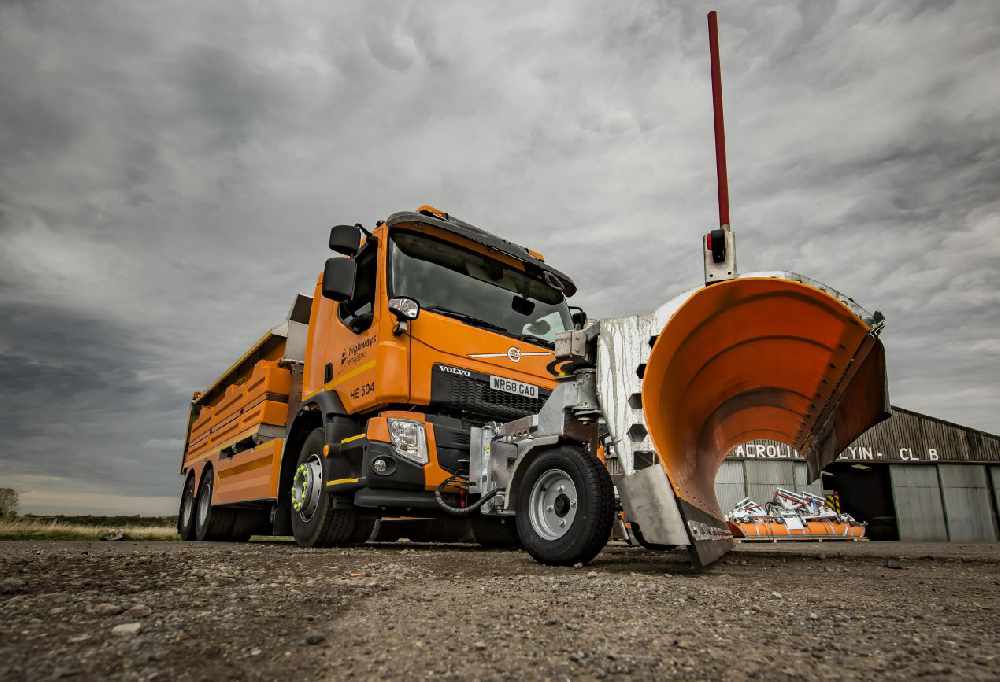
Ninety-three new state of the art gritters will be patrolling England’s motorways and major A roads this winter, as part of a multi-million investment to help keep traffic moving in severe weather.
The new gritters will improve safety for drivers and workers due to the vehicles’ improved technology, set up and enhanced visibility. They also treat the roads at a maximum of 50mph, 10mph faster than earlier models.
Highways England’s winter fleet manager Jane Wilkins said:
“The latest vehicles contain innovative technology which includes being able to pre-programme the gritters with information specific to each gritting route. This enables salt to be spread onto the road automatically, considering any specific requirements for bridges, landscape and other road features allowing drivers to give their full attention to driving at all times.
“When the wintry weather does arrive our 1,300 specially trained gritter drivers will be ready to work around the clock to keep traffic moving.”
Inside the new high-tech gritter cab
To help keep drivers on the move this winter, Highways England has 535 gritters available which have all gone through a summer service, 127 depots based at strategic points across the network, 23 snow blowers which can remove up to 2,500 tonnes of snow per hour and will be storing over 280,000 tonnes of salt.
To monitor the weather around the clock Highways England has around 250 weather stations located across its 4,400 miles of motorways and major A roads. Overhead warning signs can also be used to inform motorists of severe weather.
When severe weather is forecast drivers should follow this advice:
- In snow and ice, drivers should stick to the main roads where they can and only travel if necessary - drivers are also encouraged to make sure they have a snow kit in their vehicle, including an ice scraper and de-icer, warm clothes and blankets and sunglasses to cope with the low winter sun.
- In high winds, there’s a particular risk to lorries, caravans and motorbikes, so drivers should slow down and avoid using exposed sections of road if possible.
- In heavy rain, drivers should keep well back from the vehicle in front, gradually ease off the accelerator if the steering becomes unresponsive, and slow down if the rain and spray from vehicles makes it difficult to see and be seen.
- In fog, drivers should switch on their fog lights and not use lights on full beam as the fog will reflect the light back. If you really cannot see, you should consider finding a safe place to stop until it is safe to continue.
Drivers are advised to follow messages on the overhead signs and listen to radio updates.
Further information can be found by visiting the www.highwaysengland.co.uk/travel-updates, and by following @highwaysnwest @highwaysneast @highwaysseast @highwaysswest @highwayseast @highwayswmids, @highwaysemids @highwaysyorks on Twitter or calling the Highways England Information Line on 0300 123 5000.
 Congleton man jailed for engaging in sexual communications with a child
 Three men sentenced following Disley burglary
 Two men sentenced following violent altercation in Winsford
 Local Mental Health Nurse awarded prestigious Queen’s Nurse title
 Musica Nova March Concert
 Macclesfield smashes Pancake Race for local NHS charity
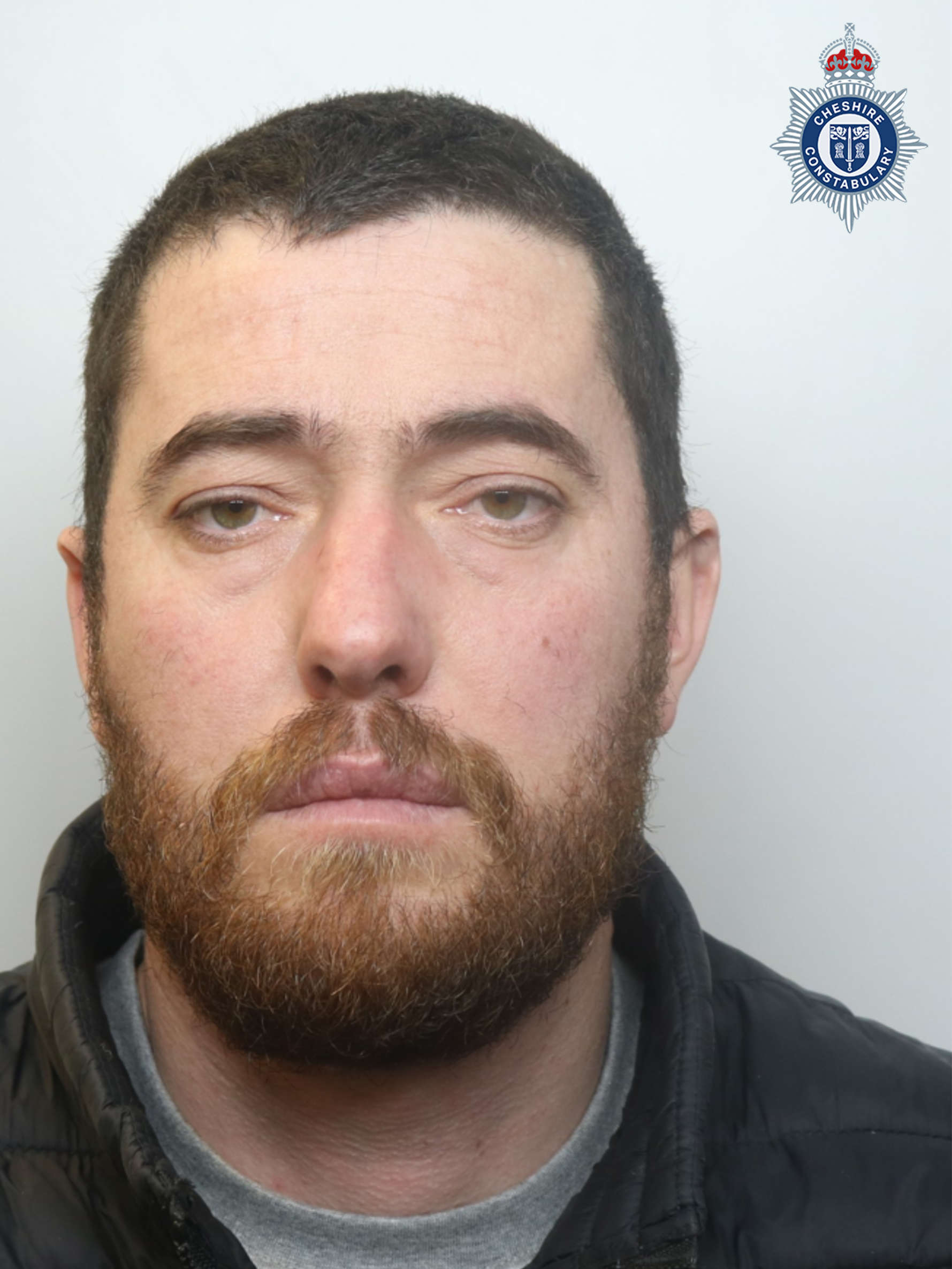 Cannabis farmer who hid for eight hours during registry office raid jailed
 Man charged with burglary and driving offences
 Cheshire Police Commissioner revealed to be billing luxury car costs to taxpayer.
 County-wide collaborative immigration and safeguarding operation yields positive results
 Beech Hall School Marks Children’s Mental Health Week with Animal Therapy Experience
 Appeal for witnesses following attempt burglary in Alsager
 Man jailed for stealing from shops in Congleton
 Match Report - Macclesfield Town 0 - 1 Brentford
 Update on Flag Lane Baths
 Council supports stronger measures to curb smartphone use in Cheshire schools
 Man arrested following M6 police pursuit
 Call for sites launched to help shape new Cheshire East Local Plan