

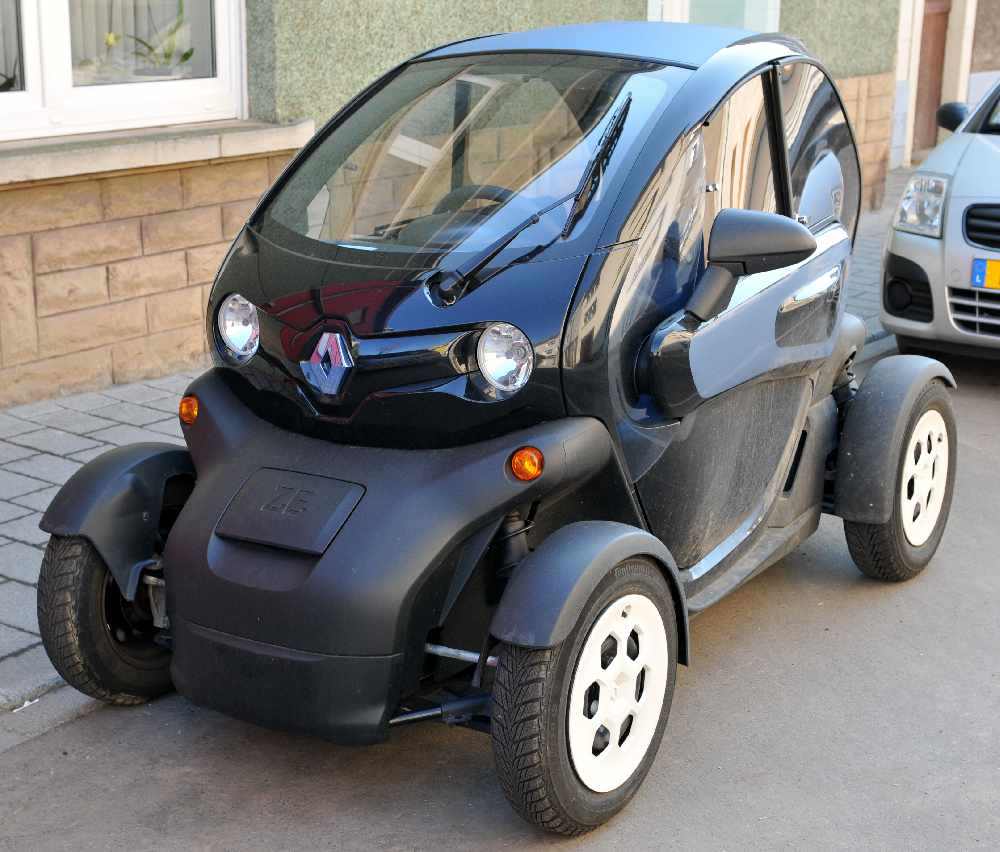
12 million drivers are considering swapping to an electric vehicle in the next two years, potentially saving £8 billion in fuel costs.
Electric car owners save an average of £329 a year, compared to the cost of running a petrol or diesel vehicle, based on typical annual mileage.
EVs have become increasingly popular among motorists, and their market share is expected to grow in the coming years as the Government bans sales of new diesel, petrol and hybrid vehicles from 2035.
Although switching to an EV and charging it at home increases energy bills, it works out cheaper than filling up on petrol or diesel, according to the analysis.
Electric car drivers say charging their vehicle at home adds £30.90 a month, the equivalent of £370 a year, to their energy bills. Meanwhile their petrol and diesel-driving counterparts say they spend £74.86 on fuel a month on average, or £898 a year. When adjusted for average mileage, electric vehicle owners save £27.48 a month compared to fuel, equal to £329 a year.
To ensure EV drivers are not paying over the odds to charge their car, owners should ensure they are on one of the cheapest fixed energy deals available on the market. Consumers on Standard Variable Tariffs who are charging their electric cars at home could save up to £7.69 a month — £92 a year — by ensuring they are on the best energy deal.
Charging at home is usually cheapest for electric vehicle owners. Motorway charging points are capable of delivering enough electricity to drive 100 miles in just half an hour — but it will cost about £6.50, compared to £4.15 on average with a 7KW wall charger at home.
Some 4.3 million drivers (11%) say they will buy an electric vehicle in the next two years, and an additional 7.6 million motorists (19%) are considering purchasing one in that time.
Registrations of new EVs also reached a market share of 4.6% in March — the highest proportion of sales recorded in the UK for battery powered cars.
Cost per mile
Uswitch.com analysed the prices of new EVs and their cost per mile to calculate which cars provide the biggest cost savings over an average eight-year warranty period. The compact Renault Twizy came out on top, costing only 1.61 pence per mile, and a total of £11,745 including the purchase price after eight years.
10 of the best-value electric vehicles[4]
|
Model |
Price |
Range (miles) |
Cost per mile (pence) |
Overall cost after eight years |
|
Renault Twizy |
£10,995 |
62 |
1.61 |
£11,745.63 |
|
Skoda Citigo e iv |
£17,455 |
170 |
3.54 |
£19,106.54 |
|
SEAT Mii |
£19,800 |
160 |
3.76 |
£21,554.76 |
|
Citroen C-Zero |
£20,520 |
93 |
2.81 |
£21,832.58 |
|
Smart fortwo |
£20,195 |
78 |
3.69 |
£21,916.50 |
|
Smart fourfour |
£20,680 |
75.5 |
3.81 |
£22,458.51 |
|
DS Automobiles DS 3 Hatchback |
£22,120 |
180 |
4.54 |
£24,239.27 |
|
Volkswagen e-Up! |
£23,555 |
159 |
3.32 |
£25,104.87 |
|
Mini Hatch |
£24,900 |
145 |
3.68 |
£26,615.30 |
|
MG Mg Zs |
£25,495 |
163 |
4.47 |
£27,577.87 |
Source: Uswitch.com. Prices correct as of 25/08/20
Tesla is one of the best-known EV brands and its cars boast some of the best ranges, but they are among the most expensive vehicles to own.
10 of the most expensive EVs
|
Model |
Price |
Range |
Cost per mile (pence) |
Overall cost after eight years |
|
Kia Soul |
£34,295 |
280 |
3.7 |
£36,038.86 |
|
BMW i3 |
£36,025 |
185 |
3.4 |
£37,592.12 |
|
Tesla Model 3 |
£40,490 |
220 |
3.7 |
£42,223.95 |
|
Audi e-tron |
60,650 |
193 |
6.0 |
£63,464.57 |
|
Mercedes EQC |
£64,925 |
259 |
5.1 |
£67,281.57 |
|
Jaguar I-Pace |
£65,195 |
292 |
5.0 |
£67,546.52 |
|
Tesla Model s |
£77,980 |
379 |
4.3 |
£79,993.03 |
|
Audi e-tron Sportback |
80,650 |
241 |
6.4 |
£83,657.44 |
|
Tesla Model X |
£82,980 |
314 |
5.2 |
£85,409.74 |
|
Porsche Taycan |
£83,367 |
188 |
6.9 |
£86,581.08 |
Source: Uswitch.com. Prices correct as of 25/08/20
Sarah Broomfield, energy expert at Uswitch.com, comments: “Electric vehicles are becoming increasingly popular, and 12 million drivers could soon be swapping their petrol or diesel car for a more environmentally friendly one.
“The good news for these drivers is that EVs come with an additional financial benefit too — they cost far less to fuel than a petrol or diesel car.
“However, charging costs can vary depending on your energy tariff. If you are still on your supplier’s Standard Variable Tariff, charging your car could cost an additional £7.69 a month unless you switch to a more competitive fixed-term deal.”
 Future Leighton Hospital construction partner raises over £6,600 for Mid Cheshire Hospitals Charity
 Congleton Town Council Provides Free Bus Travel to Power the Green Fayre
 Man jailed for assaulting a man in Knutsford
 Man jailed for rape and attempted rape in Congleton
 Two-way traffic to return to Winsford Station Bridge with weight restriction in place
 TRACTOR RUN - ADLINGTON TO TWEMLOW - TO OPPOSE THE PEAK CLUSTER PIPELINE
 Crewe man sentenced for online child sexual offences
 Supporters join Cheshire disability charity to celebrate grand opening of Wingate Holidays
 New Congleton CID team goes from strength to strength
 Children and families in Cheshire to benefit from new Child Focused Courts approach
 Appeal for information following serious collision in Crewe
 How is smoking impacting your health?
 Work to begin on phase 2 of Manchester Road Active Travel scheme
 Eleven Years of Christmas for the Community – Buxton’s Community Helping Community
 Victoria Infirmary Outpatients rated Good by the Care Quality Commission
 Two Years Without Sunday Trains - Congleton Campaigners Demand Action
 Residents invited to have their say on plans to clamp down on anti-social drivers
 Cheshire East Council highlights business success at award-winning Need Golf visit
