

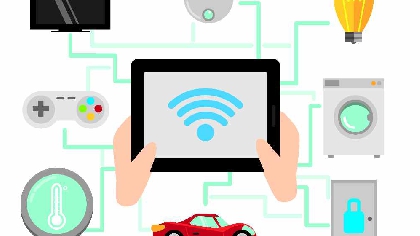
Hacking becomes easier as the number of WiFi controlled electronic items per household increases.
With the growing popularity of internet based household items, our homes are more connected than ever.
Heating, lighting and security systems which include cameras, alarms and motion senses can now be controlled by an app on your smartphone.
You can also purchase a refrigerator that automatically orders food for you when you run low.
Also on the increase are smart TVs and smart speakers which are linked to the internet and control house functions by voice command.
This technology is known as Internet of Things (IoT) which means the interconnection of household devices enabling them to send and receive data.
Even though IoT makes our lives easier, it also makes it easier for cyber criminals to access personal information to form part of a fraud scam.
They do this by releasing Remote Access Trojans (RATs) which are invisibly downloaded via a user requested programme or an email attachment then gain control of the device.
Detective Superintendent Aaron Duggan of Cheshire Constabulary states:
“Fortunately there are sensible and simple steps that can be taken to help protect against online criminals and RATs. The precautions are as simple as choosing strong, safe passwords, updating device operating systems and backing up data on a regular basis, making sure adequate antivirus/anti-spyware is installed and staying safe while online. For example, avoid revealing personal information such as your name and date of birth on social media.”
“Hackers used to only target computers and mobile devices, but now they’re turning to connected devices because they are a lot easier to hack in to. As long as people follow the simple measures to keep their technology – and importantly their information – secure, they should be safe from internet criminals."
A few are of the tips proposed for home security are:
- Always change the factory set password for a device to a password you have created yourself.
- Never use the same password for more than one device.
- Make sure all your internet based devices are up to date with internet security software which is protected by a passcode.
- Buy well-known brands as more care has probably been taken into the security measures of the product. .
- Install updates on your connected devices as soon as they become available. You can be alerted of these through the app associated with the device or via the manufacturer's website.
- Make sure your WiFi is secured- it should have a padlock symbol next to the network when searched on a device.
If you feel you have become a victim of fraud through your connected devices report it via www.actionfraud.police.uk .
 Appeal for information following Northwich robbery
 Man charged with county lines drug dealing in Macclesfield
 Appeal for information following keyless car theft in Northwich
 Man charged following fatal collision in Nether Alderley
 Cheshire East Council responds to Department for Transport decision on A500 scheme
 Council marks key Local Plan milestone as engagement continues
 Food waste collection launch postponed as council focuses on improving bin collection reliability
 Man jailed for breach of Sexual Harm Prevention Order
 Newest four-legged crime fighters welcomed to the force
 SP Energy Networks advises Cheshire customers how to prepare for potential power cuts this winter
 Children challenge speeding drivers in powerful Nantwich road safety initiative
 Woman dies following serious collision in Macclesfield
 Mid Cheshire Hospitals launches Digital First patient communications and encourages NHS App uptake
 Cheshire East Council visits Thermmark
 Willington Hall Classic Car Club Gathering
 Government approves plan to transform SEND provision in Cheshire East
 Congleton Beartown Bus Network expanded
 Cumberland Arena set to reopen following major transformation
 Knutsford man to take on epic 70km Spanish mountain trek for cancer charity