


Patients with skin cancer are set to benefit from a new superficial treatment machine at The Christie.
Muriel Large, age 76, from Davenham near Northwich, is the first patient to complete a course of treatment on the new £175,000 machine at The Christie this week.
Superficial treatment is a type of low-energy radiotherapy commonly used to treat non-melanoma skin cancer at The Christie, such as basal cell carcinoma and squamous cell carcinoma.
The Christie treats around 130 patients annually with superficial treatment, delivering this in around 550 treatment sessions known as fractions.
Muriel, who is married to John, has two daughters. The eldest, Helen, was a paramedic, and their youngest, Kerrie, is a doctor (GP).
In December last year, Muriel noticed a small cyst-like growth on her nose, which had a scab but was not bleeding or sore. She mentioned it to her daughter Kerrie and was advised to get it looked at.
During a routine doctor’s appointment shortly after, Muriel asked her GP about it and was immediately referred to a specialist under the two-week urgent cancer referral standard.
Muriel saw a dermatologist initially, who confirmed that it was cancer and advised that surgery was the best option. Shortly after, in November 2024, Muriel had the operation under local anaesthetic as a day case patient at the Victoria Infirmary in Northwich.
The surgery was a success, although the surgeon would have liked to have removed slightly more of the 'margins' around the cancer. When the tissue removed was sent for a pathology examination under a microscope, it was confirmed as being squamous cell carcinoma of the skin.
Following the surgery, the surgeon recommended that Muriel consider a referral to The Christie to have postoperative radiotherapy to reduce the likelihood of the cancer returning.
Muriel saw Dr Agata Rembielak at The Christie in January 2025, who arranged a type of radiotherapy called superficial treatment. Muriel completed the fifth and final treatment this week at The Christie and, so far, has not had any side effects, such as sore skin, although this can develop a few days after the treatment ends.
Muriel said:
“I cannot fault any of The Christie or NHS staff who have cared for me. They have all been absolutely brilliant. My consultant, Dr Agata Rembielak, has been lovely, and the staff member who helped fit my treatment mask had a great bedside manner. I feel like I am in safe hands with the radiotherapists who treat me. And, despite the hospital being so busy, everyone has looked after me with kindness and respect.”
Muriel and husband John have always enjoyed walking and going on holiday and have enjoyed trips to South Africa and an Alaskan cruise.
Superficial treatment delivers highly successful clinical outcomes for patients, with many cured after treatment. Patients spend less time having treatment compared with other types of radiotherapy and benefit from a precise treatment.
If radiation hits a dividing cell, the cell will be damaged. All radiation therapy, including superficial treatment, works because cancer cells are much less able than normal cells to repair the damage caused by the treatment. Hopefully, all the cancer cells will be killed off, and the healthy cells will be replenished.
The Christie has invested around £370,000 to upgrade its superficial treatment service, which includes building work to provide a more pleasant patient treatment environment and the new machine, replacing one over 10 years old.
The Xstrahl 150 X-ray system was chosen as it has an adaptable energy range and can treat larger skin lesions while still delivering pinpoint accuracy.
Superficial treatment can be delivered in one session but is usually spread over several days, depending on the individual patient and the total dose of radiation needed.
Patients having superficial treatment may need to have an individual shield made for them to stop non-cancerous areas from being irradiated. The therapy typically lasts less than 5 minutes, although the treatment session may take around 15 minutes to allow time for discussion, skin check and for the machine to be set up.
One in every three cancers diagnosed is skin-related, according to the World Health Organisation.
Surgery remains the gold standard in the treatment of non-melanoma skin cancer, but non-surgical options with radiotherapy, including superficial treatment, can also be a viable treatment option.
Patients with non-melanoma skin cancer may also be offered other types of radiation treatment, including electron or brachytherapy treatments or photon radiotherapy, depending on the nature of the tumour. All these types of radiation treatment are available at The Christie.
Pictured - Muriel Large with radiographer Gillian Court.
 Man sentenced after assaulting woman in Knutsford
 Cheshire Foundation sponsors 1,000 ‘Leo the Lion’ children’s books for Macclesfield Hospital
 Consultation on Knutsford Town Council's Budget
 Police promoting road safety for all drivers and ensuring fitness to drive
 Call for stories of women and girls across Cheshire
 Cheshire officers working to keep our town centres even safer
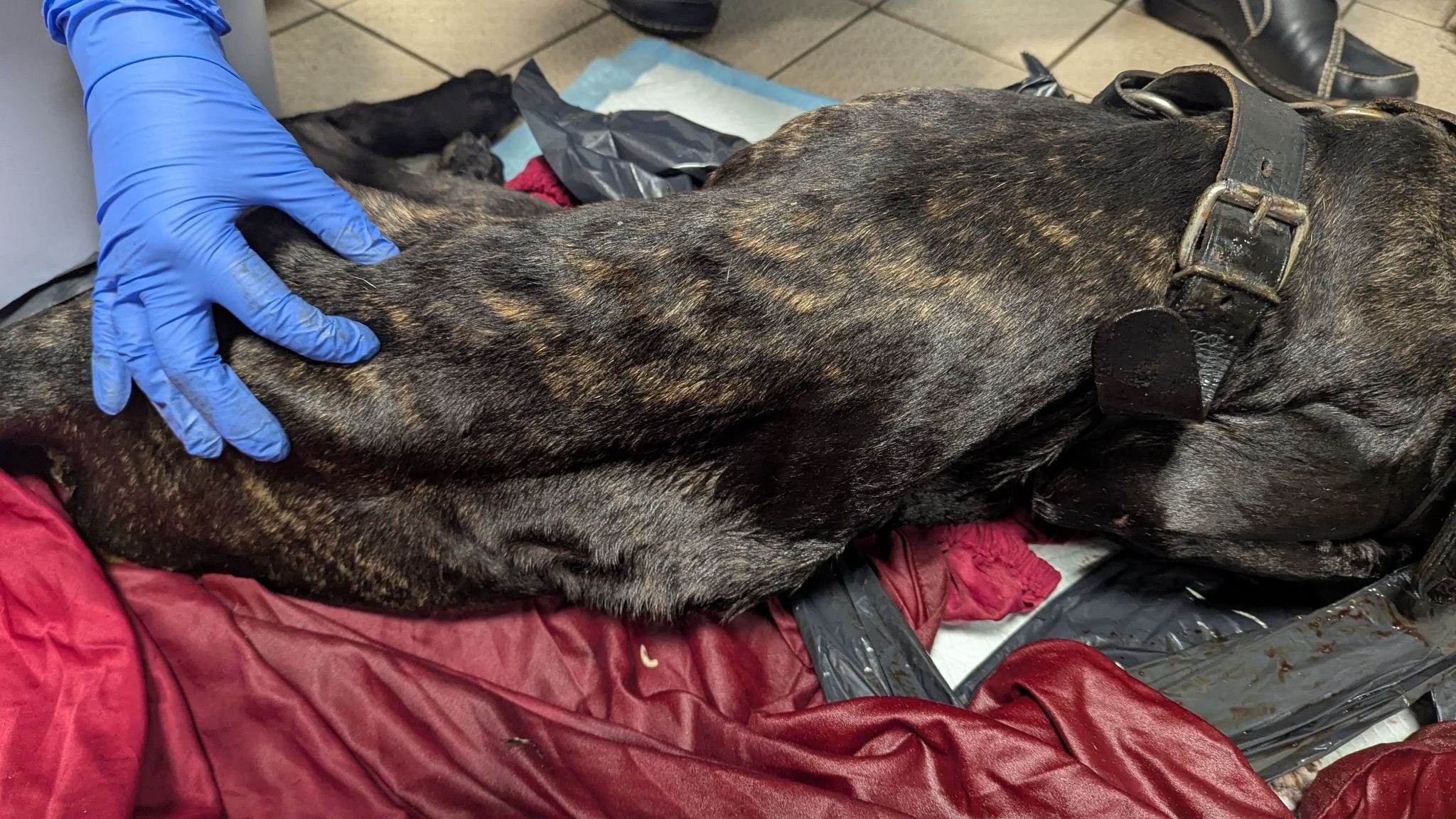 Life ban for woman whose dead dog was found in a rug in back garden
 Hartford man jailed following successful stop and search in Northwich
 Man jailed for historic sexual offences in Macclesfield
 Mayors’ cadet Jenson Webb embarks on a life changing Nepal expedition
 Man charged in relation to fatal collision involving off-duty police officer
 Ofsted highlights accelerating pace of improvement in Cheshire East children’s services
 Man sentenced following serious collision in Nantwich
 Two men sentenced for county lines drug dealing
 £50,000 fund opens to support safer communities across Cheshire
 Have your say on proposed changes to Council Tax Support in Cheshire East
 Three people jailed for more than 18 years following false imprisonment in Winsford
 New community mental health service launches across Cheshire East
 Highways teams are ready to keep Cheshire East moving this winter

Comments
Add a comment